Few things are more frustrating than a deodorant that worked all spring and fails by summer. The stick did not change — but your sweat, your clothes, your routine, or the product itself may have. Natural deodorant rarely stops working for no reason.
This guide walks through the real causes in the order worth checking: sweat changes, buildup, application drift, an aging formula, and fragrance fatigue. Most cases resolve with a two-week reset, not a new product. If you are still in your first month, start with the switch guide instead — early wobbles are normal.
Natural deodorant usually stops working because something around it changed: hotter weather or harder workouts, product buildup on skin and clothes, applying to damp skin, or an aging stick. A two-week reset on clean, dry skin fixes most cases before you need a new formula.
The likely causes at a glance
| Cause | Sign it is this one | Fix |
|---|---|---|
| Sweat changed | Fails on hot or training days only | Reapply midday or switch to an acid active |
| Buildup | Odor returns fast, clothes smell stale | Wash underarms thoroughly; launder tops hot |
| Application drift | Applying less, or to damp skin | Apply 2-3 swipes to clean, dry skin |
| Aging formula | Stick is months old, texture changed | Replace the stick |
| Fragrance fatigue | You smell it; others do not | Ask someone; rotate scent, not active |
| Wrong active now | Fails every day despite the reset | Switch actives (magnesium ↔ acid) |
What does "stopped working" actually mean?
"Stopped working" usually means odor returns hours earlier than it used to — not that the deodorant does nothing. That pattern points to a changed variable, not a failed product, and it is worth diagnosing before you spend money.
Separate the two failures: odor control fading early suggests sweat, buildup, or application issues; new itching suggests your skin now objects to an ingredient. Each has a different fix, covered below.
Has your sweat changed?

Hotter weather, harder training, a new commute, or a stressful month all raise sweat volume — and natural deodorant has a ceiling. A stick that coped in April can simply be outmatched in July.
The fix is dose and timing, not panic: apply on clean, dry skin before the day starts, and add one midday reapplication on heavy days. If heavy days are now most days, an acid active like Lume holds longer.
Is buildup blocking your deodorant?
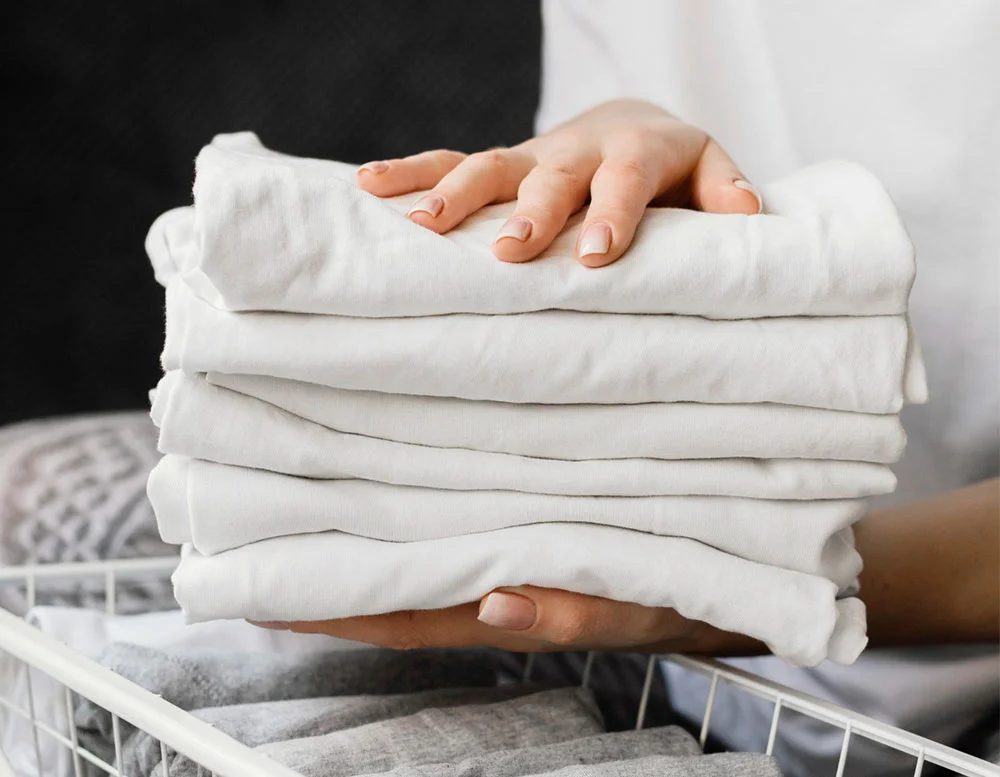
Old deodorant, body oil, and detergent residue build up on skin and in fabric, and fresh deodorant applied over that layer underperforms. The telltale sign: your top smells stale even though your skin was fine at noon.
Reset by washing underarms thoroughly — a washcloth and thirty seconds of lather — and laundering workout tops on a warm cycle. Buildup is the most common cause of "sudden" failure and the cheapest to fix.
Are you applying to damp skin?

Deodorant applied to damp skin dilutes on contact and never sets properly. If your routine drifted — shower, dress fast, apply on the move — performance drifts with it.
Dry underarms fully, then apply two or three thin swipes and let the product set for a minute before dressing. More product on wet skin is not a substitute for the right amount on dry skin.
Has the formula changed or aged?
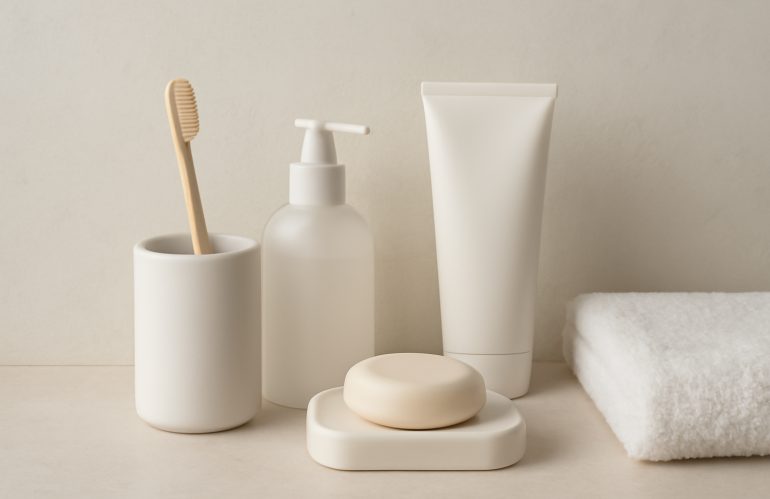
Sticks age. Heat, humidity, and months in a gym bag change texture and weaken scent, and brands occasionally reformulate. If the stick feels gritty, smells flat, or looks separated, the product — not your skin — is the variable.
Check the ingredient list against what you bought originally, and replace a stick that has lived through a hot summer in a bag. A fresh stick of the same formula is a legitimate test.
Is it fragrance fatigue or real odor?
Your nose adapts to a scent you wear daily, so the deodorant can seem weaker while odor control is unchanged. Fragrance fatigue is real, and it sends people shopping for no reason.
Test it honestly: ask someone you trust, or check a worn top at day's end. If only the scent seems gone, rotate scents within the same formula instead of changing actives.
How does the two-week reset work?

For two weeks, change nothing except discipline: wash underarms thoroughly each morning, dry fully, apply two or three swipes, dress after a minute, and launder tops warm. Track odor at the same time each evening.
Most "stopped working" cases resolve inside that window, because buildup and application drift were the cause. If day fourteen looks like day one, the formula itself is the problem — move to the next section.
Does the active still match your skin?
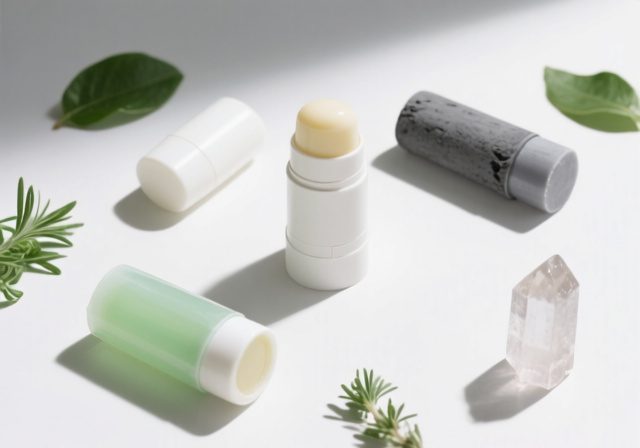
Skin changes too. A baking-soda stick tolerated for months can start itching after a summer of shaving and sun; a magnesium stick can fall behind when training volume doubles.
Match the active to the failure: itching points to magnesium and away from baking soda and heavy fragrance; early odor breakthrough points to acids. Our baking-soda-free guide for sensitive skin ranks the gentle options.
Does rotating deodorants help?
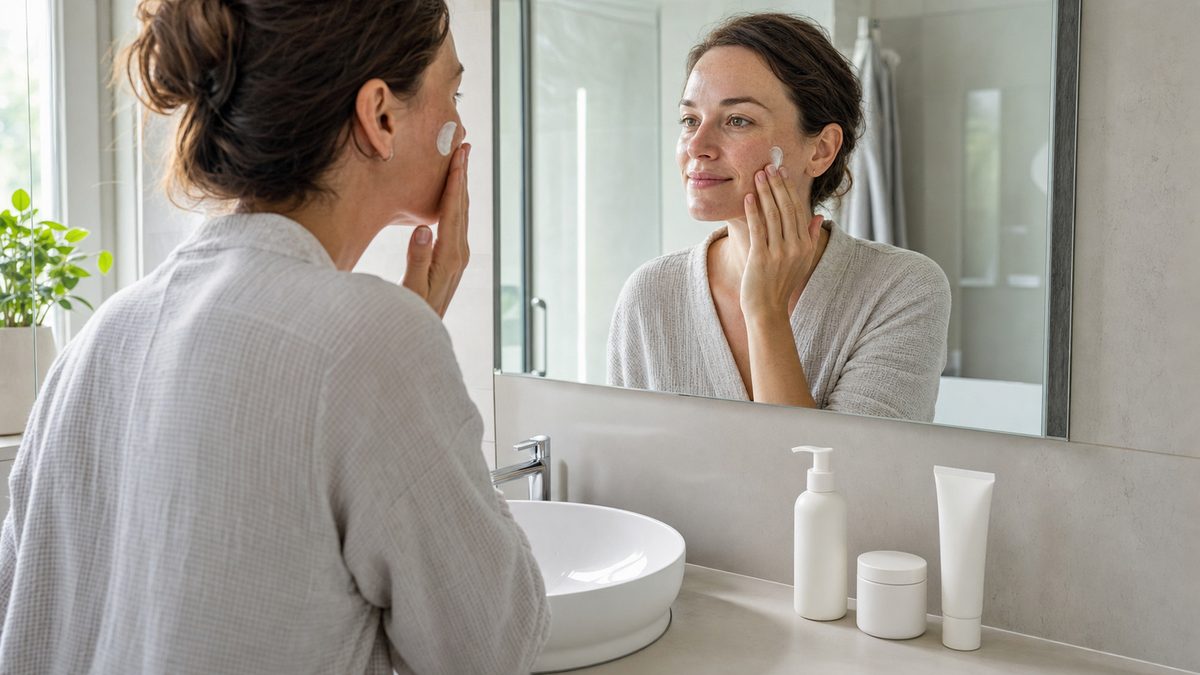
Rotating brands on a schedule is mostly a myth — your skin does not build tolerance to magnesium or mandelic acid the way it might to a drug. What rotation actually changes is scent, which resets fragrance fatigue.
Keep one formula that works and rotate scents if boredom is the issue. Save active-switching for real failures: itching, or odor breakthrough that survives the two-week reset.
When should you switch products?

Switch when the reset fails: odor breakthrough every day on clean, dry skin, or itching that persists. At that point the formula no longer fits your skin or your sweat, and loyalty helps no one.
Switch actives, not just brands — magnesium to acid, or acid to magnesium — and patch test the new pick on one side for three days. One deliberate change beats a drawer of half-used sticks.
Natural deodorant stopped working FAQ
Can your body become immune to natural deodorant?
No — skin does not build tolerance to magnesium or mandelic acid. Apparent immunity is almost always sweat changes, buildup, application drift, or fragrance fatigue, all of which the two-week reset exposes.
Why does my deodorant work in winter but not summer?
Summer raises sweat volume and humidity, which shortens every deodorant's effective window. Apply on dry skin, reapply once at midday, or move to an acid active for the hot months.
How do I remove deodorant buildup from clothes?
Wash tops on a warm cycle and treat underarm areas before washing if they smell stale. On skin, thirty seconds of lather with a washcloth removes the layer that blocks fresh deodorant.
Should I apply natural deodorant at night instead?
Morning application on clean, dry skin works best for most people. Night application can help if you shower at night — the key is clean, fully dry skin, whenever you apply.
How long does a deodorant stick stay effective?
Most sticks perform best within about a year of opening, and heat or humidity shorten that. A gritty texture or flat scent means replace it before blaming your skin.
When is it time to try a different active?
After a disciplined two-week reset fails. Itching points to magnesium; daily odor breakthrough points to a mandelic-acid formula. Change the active, not just the brand.
Products mentioned in this guide
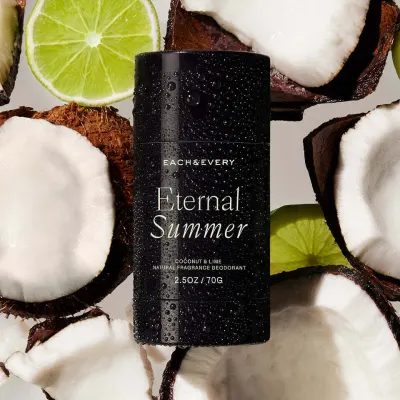
Each & Every Natural Deodorant — Coconut & Lime
2.5 oz
EWG Verified with a short ingredient list and a bright coconut-lime scent — the cleanest magnesium formula we found for reactive underarms.
Key actives: Magnesium hydroxide, magnesium carbonate
Check price on AmazonAffiliate link — we may earn a commission
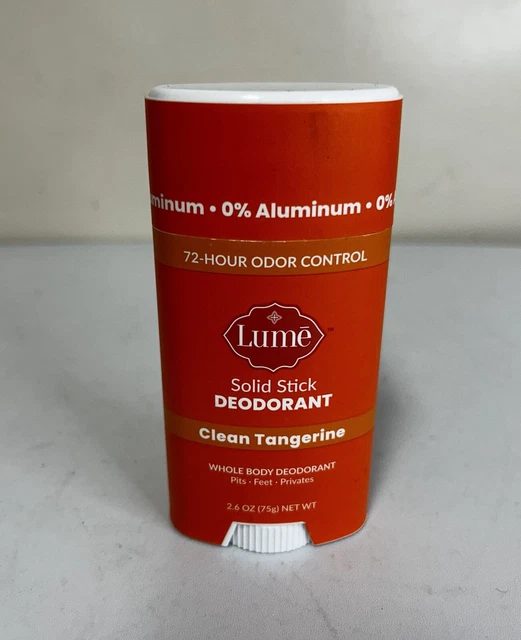
Lume Whole Body Deodorant — Clean Tangerine
2.6 oz
Mandelic-acid odor control that holds up through training days, heat, and long shifts.
Key actives: Mandelic acid
Check price on AmazonAffiliate link — we may earn a commission

EuoNo
Fakhar leads Beauty Shelf’s editorial direction, website systems, SEO, research workflows, and quality standards. His public travel profile, @explorewith_euono, focuses on travel, lifestyle, experiences, unique stays, style, and hidden gems.
Instagram @explorewith_euono (123K followers)