Most people who quit natural deodorant quit in week two. Not because the product failed, but because nobody told them what to expect: a short adjustment window while skin recalibrates after years of antiperspirant, a few days of extra odor, and the learning curve of a formula that behaves differently from what they're used to.
The good news is that the rough patch is both normal and manageable. With the right formula, the right application, and a realistic timeline, most people get through it in one to three weeks — and many never think about it again. This guide walks through the whole transition, week by week, with the tricks that actually help and the myths you can ignore.
Switching to natural deodorant takes about two weeks. Wash daily, apply to clean, dry skin and expect a few sweatier days while your underarms adjust — most of the adjustment period is avoidable with the right formula and routine.
The transition at a glance
| Phase | What to expect | What helps |
|---|---|---|
| Days 1–3 | Skin feels different; sweat feels more noticeable | Apply to clean, dry skin; wear breathable fabrics |
| Days 4–7 | Odor may peak as skin adjusts | Midday reapplication; gentle washing |
| Week 2 | Odor settles; formula starts to feel normal | Stick with one formula; don't switch yet |
| Week 3+ | New normal — odor control stabilizes | Judge the formula now, not before |
Why people switch — and why they quit
People switch to natural deodorant for straightforward reasons: they want aluminum-free formulas, shorter ingredient lists, and scents from essential oils rather than synthetic fragrance. The products have also simply gotten better — modern natural deodorants control odor far more reliably than the ones from ten years ago.
They quit for an equally straightforward reason: the first two weeks feel worse than expected. Sweat feels more noticeable without an antiperspirant blocking it, odor can spike temporarily, and some formulas irritate skin that's used to something else. Almost all of this is temporary — but it doesn't feel temporary when you're living through it.
The adjustment period, explained honestly

The 'adjustment period' isn't a detox — your body doesn't purge toxins through your underarms, and any brand that says otherwise is selling you a story. What actually happens is simpler: antiperspirants plug sweat ducts with aluminum salts, and when you stop, your sweat glands resume normal activity. At the same time, the bacterial balance of your underarm skin shifts, which can temporarily change how your sweat smells.
For most people this settles within one to three weeks. A small number of people find their odor stays higher on natural deodorant long-term — usually because their formula's active doesn't suit them, not because their body 'failed' the transition. Switching actives (from baking soda to magnesium, or to an acid formula) usually fixes it.
Week 1: set yourself up to succeed
Start on a low-stakes week if you can — not the week of a big presentation or a heatwave. Pick one formula and commit to it for the full transition; switching products every three days makes it impossible to tell what's working. Apply to clean, completely dry skin in the morning, using two or three light swipes.
Wear breathable, natural fabrics for the first week: cotton, linen, and bamboo let sweat evaporate instead of trapping it against your skin. And keep a travel stick in your bag — a midday reapplication is normal during week one, not a sign of failure.
Week 2: the hardest days, and how to get through them
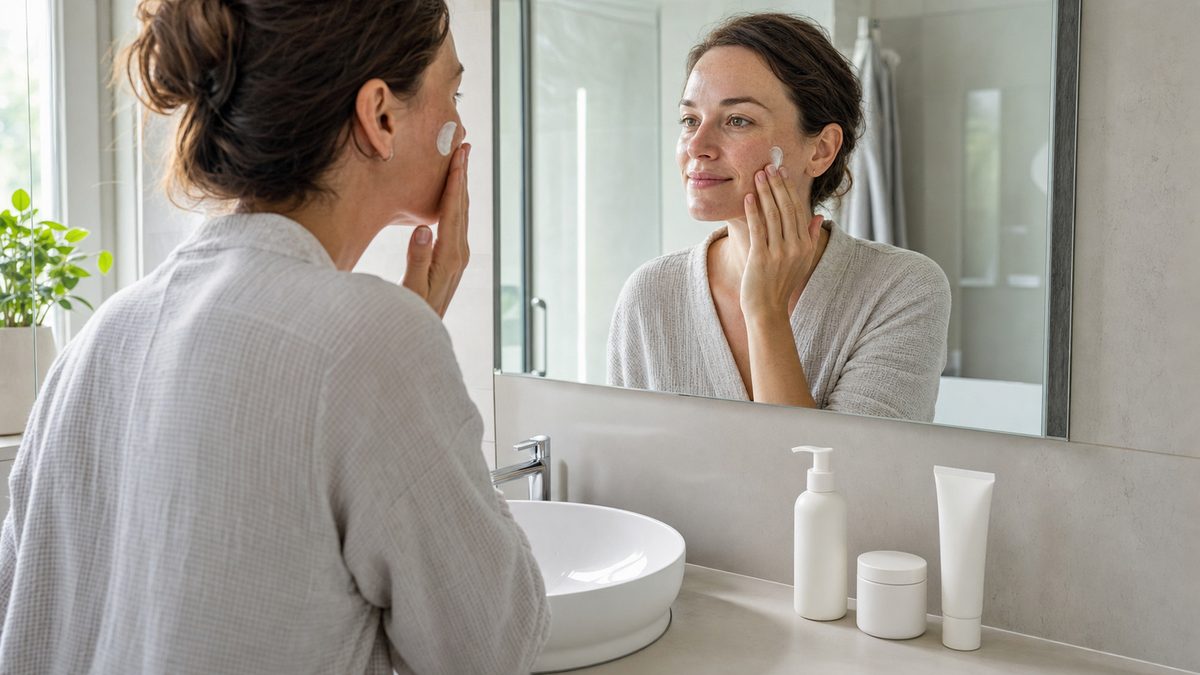
Week two is where most people quit, because odor often peaks just as patience runs out. This is the bacterial shift doing its work, and it passes. The most useful thing you can do is wash gently but thoroughly — a mild soap or a gentle acid wash on the underarms removes odor-causing bacteria without stripping the skin.
Don't add new variables now: no new formula, no 'armpit detox' mask, no extra products. Consistency is what lets your skin settle. If irritation appears, that's different — stop the formula and let skin recover, then try a different active rather than pushing through.
The armpit detox myth — skip it
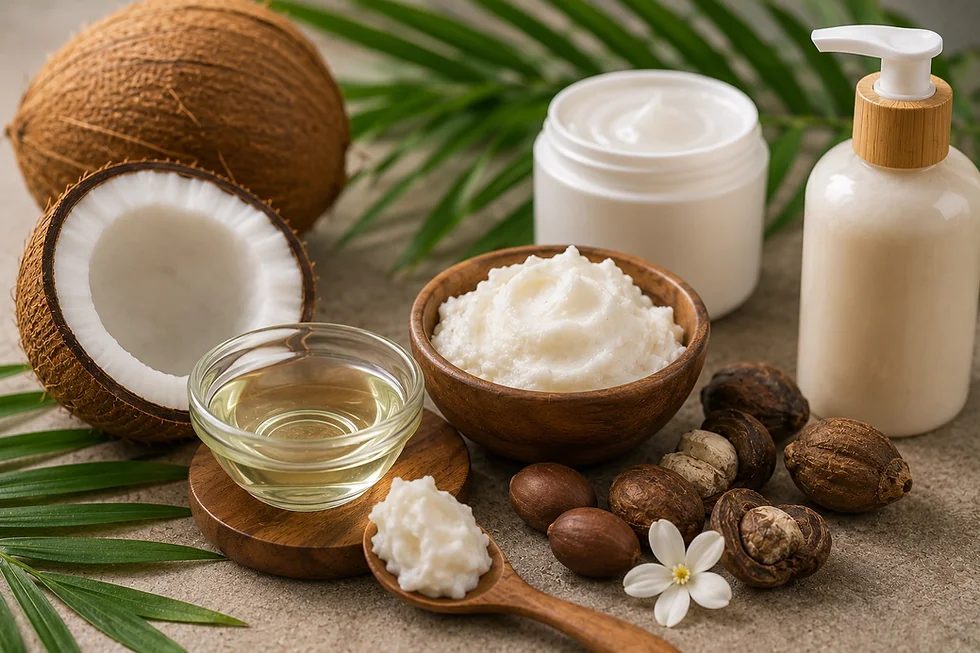
You'll find plenty of advice online about 'detoxing' your armpits with clay masks, apple cider vinegar, or lemon juice before switching. There is no evidence these do anything useful, and acidic or abrasive treatments on underarm skin can cause irritation that makes the transition harder, not easier.
Your underarms don't store toxins that need purging. What they need is time, gentle cleansing, and a formula that suits your skin. Save the clay mask for your face.
How to apply: less product, better results
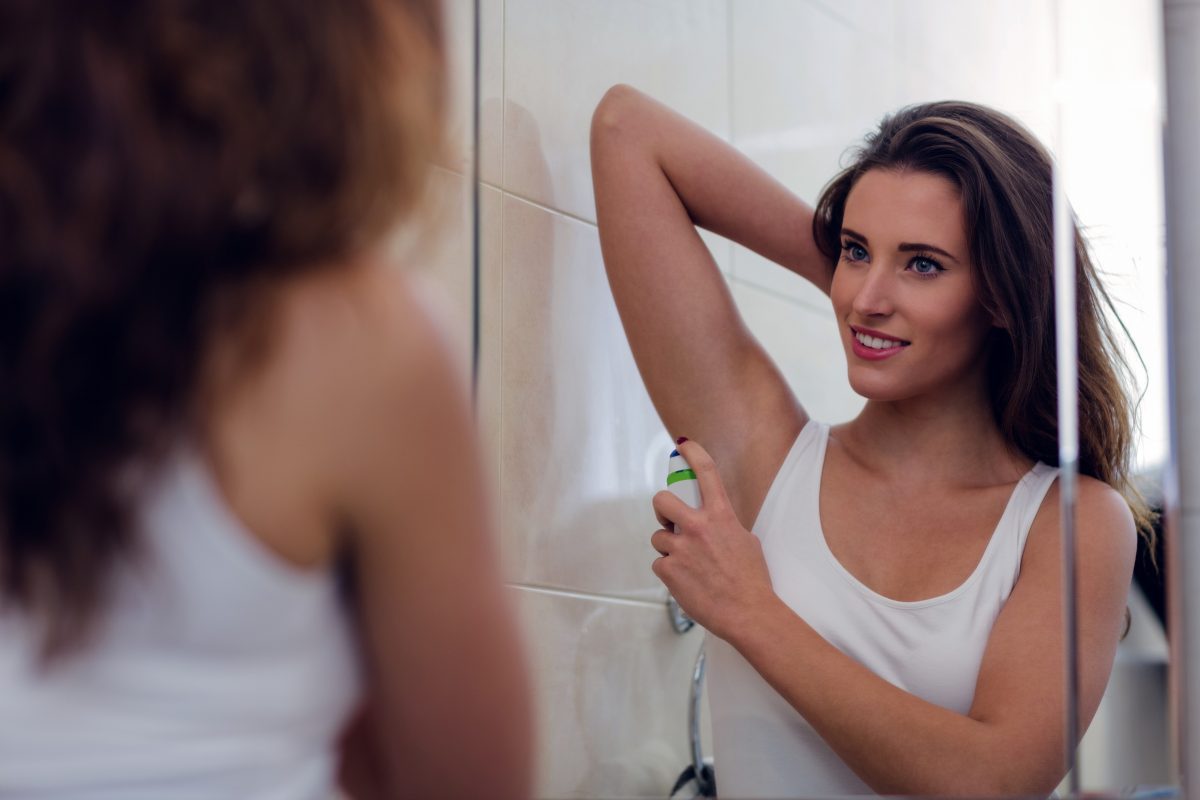
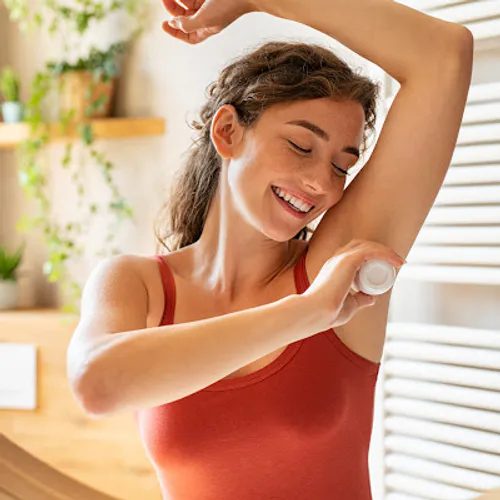
Natural deodorant rewards a lighter hand than antiperspirant. Two to three swipes on clean, dry skin is the sweet spot — more product doesn't add protection, it adds residue on your clothes and a waxy feeling under your arms. Let it set for about a minute before getting dressed.
If your stick drags or feels waxy, warm it against your skin for a few seconds first. Cold bathrooms make natural sticks stiff; a warm stick glides. And apply after your skin is fully dry — deodorant on damp skin doesn't adhere properly and wears off faster.
Sweat and workouts during the transition

Natural deodorant doesn't stop sweat — nothing without aluminum salts does — so workouts during the transition will feel sweatier than you're used to. That's normal, and it's not the same as smelling: sweat itself is nearly odorless, and odor comes from bacteria breaking it down.
For training days, an acid-based formula (mandelic acid, like Lume or Nécessaire) tends to hold up best, because it targets the bacteria directly. Keep a stick in your gym bag, reapply after showering, and choose moisture-wicking fabrics for workouts.
Protecting your clothes from stains and marks

White marks on dark clothes and yellow buildup on white shirts are the two clothing complaints about natural deodorant, and both are manageable. White marks come from excess product — thinner layers and a minute of drying time before dressing solve most of it. Yellow stains on whites come from oils and baking soda reacting with sweat over time.
For white shirts, wash promptly rather than letting sweaty shirts sit in the hamper, and pre-treat the underarm area with a paste of baking soda and water before washing. Gel formulas leave no marks at all if stains are a deal-breaker for you.
Shower habits that make the switch easier

A gentle daily wash is the unsung hero of the transition. Warm water and a mild, fragrance-free cleanser remove the day's bacteria without stripping the skin's acid mantle. Avoid harsh antibacterial soaps — they kill indiscriminately and can make odor worse by disrupting the skin's bacterial balance.
Exfoliating the underarms once a week with a gentle scrub or a soft washcloth helps too, by removing dead skin where bacteria collect. Keep it gentle: underarm skin is thin and easily irritated, especially during the transition.
Week 3 and beyond: when it's working

By week three, most people have found their new normal: odor controlled through the day, skin comfortable, and the transition a fading memory. That's the point to judge your formula honestly — if it's working, you've found your stick. If odor is still a problem after three consistent weeks, the formula's active is the issue, not you.
The most common successful switch is from a baking-soda formula to a magnesium or acid-based one, or vice versa. Skin chemistry is individual, and finding your active is a matter of testing one variable at a time — which is exactly what our deodorant guide is designed to help with.
Switching to natural deodorant FAQ
How long does the adjustment period really last?
One to three weeks for most people. Odor often peaks in week two as underarm bacteria rebalance, then settles. If odor hasn't improved after three consistent weeks on one formula, try a different active (magnesium or acid-based) rather than assuming natural deodorant doesn't work for you.
Will I smell worse during the transition?
Temporarily, possibly — many people notice stronger odor in the first week or two as sweat glands resume normal activity and skin bacteria shift. Gentle daily washing, breathable fabrics, and a midday reapplication keep it manageable, and it passes.
Do I need to detox my armpits first?
No. Armpit 'detox' masks have no evidence behind them, and acidic treatments can irritate underarm skin. Your underarms don't store toxins; they need time, gentle cleansing, and a formula that suits your skin.
Can I still use antiperspirant sometimes?
Yes — there's no rule against mixing. Some people use natural deodorant daily and keep an antiperspirant for high-stakes days (big presentations, long flights). It won't 'reset' your transition, though switching back and forth makes it harder to judge a formula.
Why does natural deodorant irritate my skin?
Baking soda is the most common culprit — its alkaline pH disrupts the skin's acid mantle. If you get redness or itching, stop the formula, let skin recover fully, then try a magnesium-hydroxide or acid-based formula instead.
Which natural deodorant should I start with?
Native Coconut & Vanilla is the easiest first pick for most people. If your skin is reactive, start with Each & Every or Native Sensitive instead. Our full guide to the best natural deodorants ranks all ten picks by skin type and use case.
Products mentioned in this guide
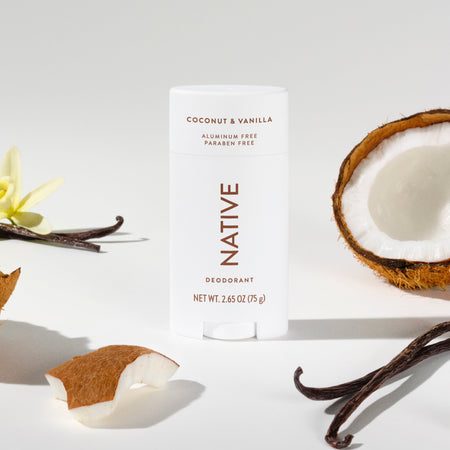
Native Deodorant — Coconut & Vanilla
2.65 oz (2-pack)
The easiest natural deodorant to switch to: familiar stick feel, wide scent range, and reliable all-day odor control.
Key actives: Baking soda, coconut oil, shea butter
Check price on AmazonAffiliate link — we may earn a commission
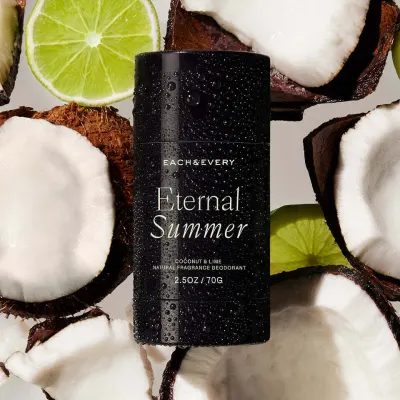
Each & Every Natural Deodorant — Coconut & Lime
2.5 oz
EWG Verified with just six ingredients and a bright coconut-lime scent — the cleanest label in this guide.
Key actives: Magnesium hydroxide, coconut oil, dead sea salt
Check price on AmazonAffiliate link — we may earn a commission

EuoNo
Fakhar leads Beauty Shelf’s editorial direction, website systems, SEO, research workflows, and quality standards. His public travel profile, @explorewith_euono, focuses on travel, lifestyle, experiences, unique stays, style, and hidden gems.
Instagram @explorewith_euono (123K followers)