Walk into any hair-care aisle and you'll find curl creams and leave-in conditioners promising nearly identical things: moisture, definition, frizz control, shine. No wonder people use them interchangeably — and no wonder so many end up with limp, greasy, or crunchy curls.
The difference is about function, not marketing. A leave-in conditioner is a lightweight hydrator and detangler that prepares the hair; a curl cream is a styler that defines and holds the curl pattern. They work best together, in the right order, in the right amounts for your hair. This guide explains exactly how.
Curl cream and leave-in conditioner do different jobs: a leave-in adds moisture and detangling, while a curl cream adds definition and hold. Most curly routines layer a light leave-in under a curl cream.
At a glance: curl cream vs. leave-in
| Curl cream | Leave-in conditioner | |
|---|---|---|
| Main job | Define and hold curls | Hydrate, detangle, protect |
| Texture | Thick cream or butter | Light spray, milk, or lotion |
| When to apply | After leave-in, on damp hair | First, on wet hair after washing |
| Hold | Light to medium hold | No hold |
| Best for | Definition and frizz control | Moisture, detangling, heat protection |
| Can you use both? | Yes — leave-in first, then curl cream | Yes — it's the standard routine |
The short answer
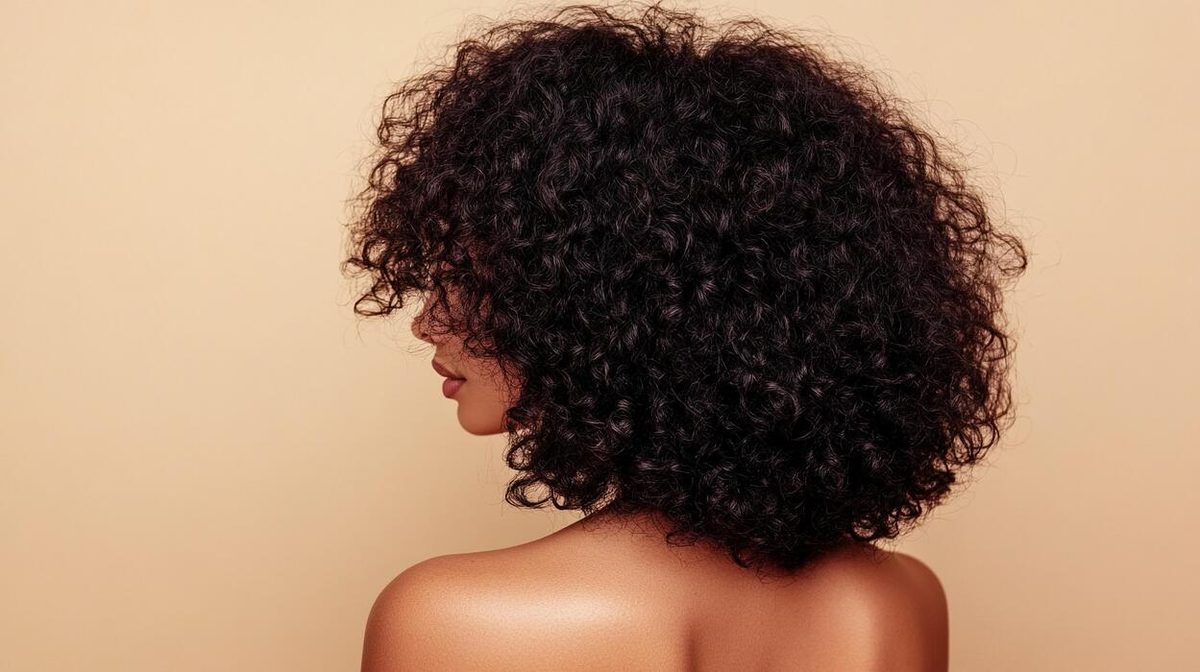
Leave-in conditioner moisturizes and detangles; curl cream defines and holds. Think of leave-in as skincare for your hair — hydration and protection — and curl cream as styling — shape and definition. One prepares, the other performs.
You can use either one alone, and many people with fine or wavy hair do. But for most curly and coily hair, the combination is what delivers defined, frizz-free curls that last: leave-in for moisture, curl cream for shape.
What curl cream actually does
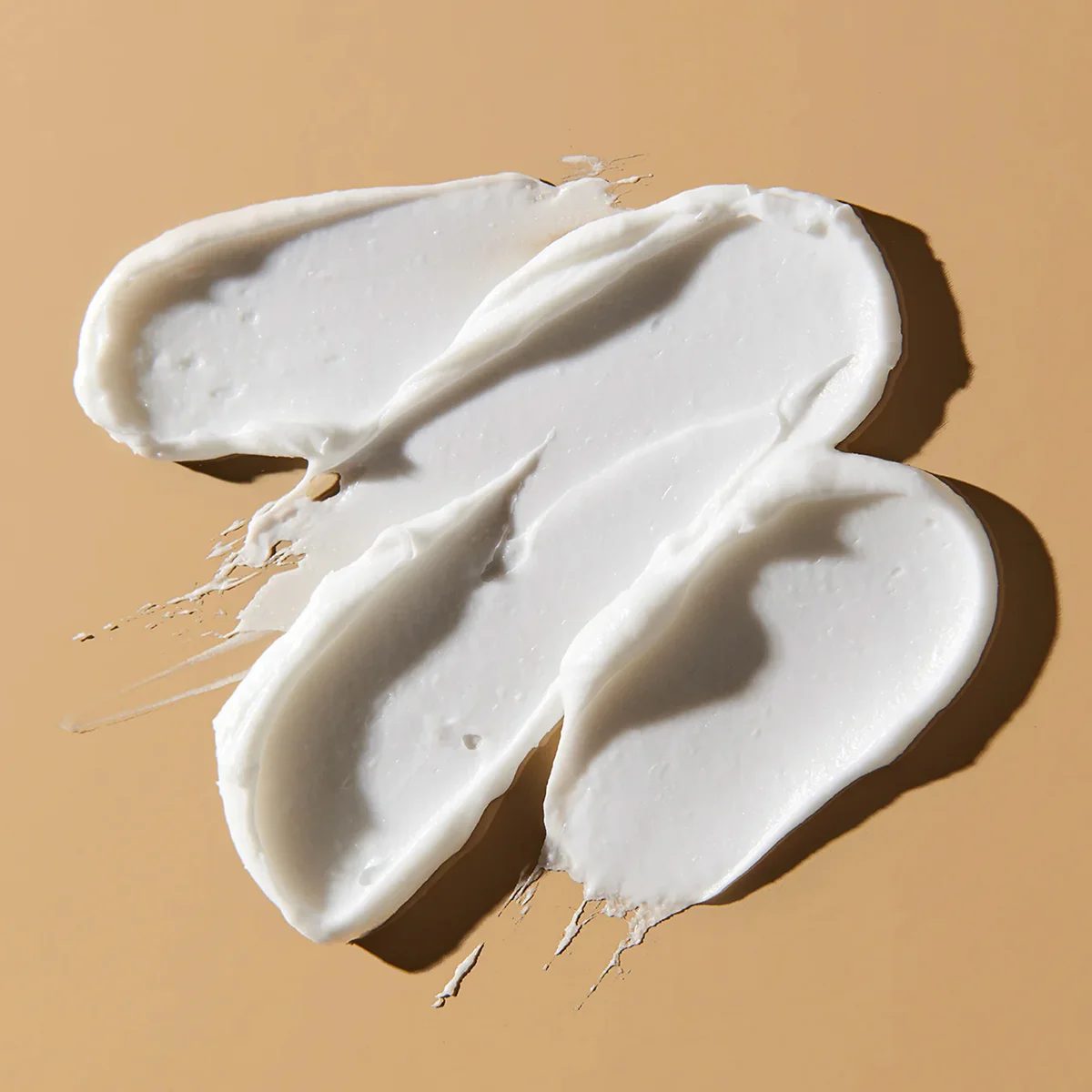
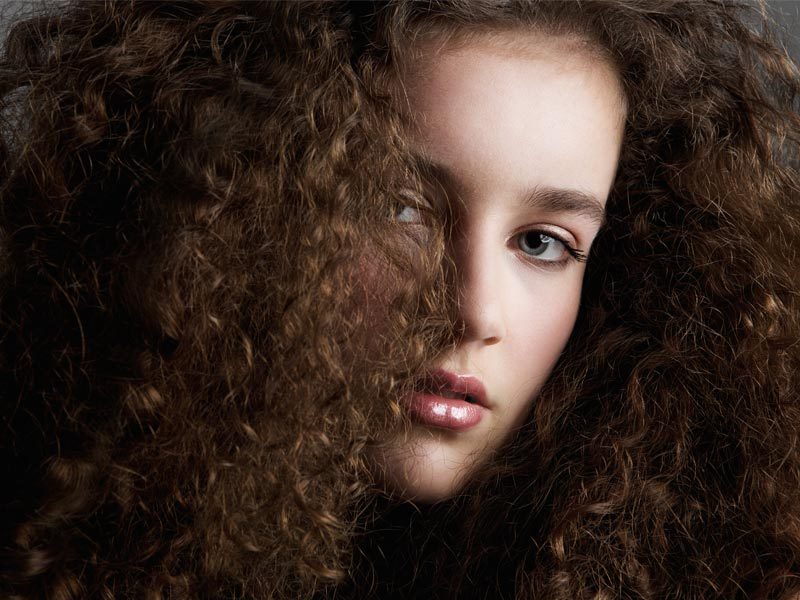
Curl cream is a styler. Its thicker formula coats each strand with conditioning agents and light styling polymers that encourage curls to clump together in their natural pattern, then hold that shape as the hair dries. The result is definition — distinct, separated curls instead of a fluffy mass — plus frizz control and soft hold.
Good curl creams balance moisture with hold. Too much hold and curls feel crunchy; too little and they fall flat by midday. Look for shea butter, coconut oil, or argan oil high on the ingredient list for moisture, and avoid heavy waxes if your hair is fine.
What leave-in conditioner actually does
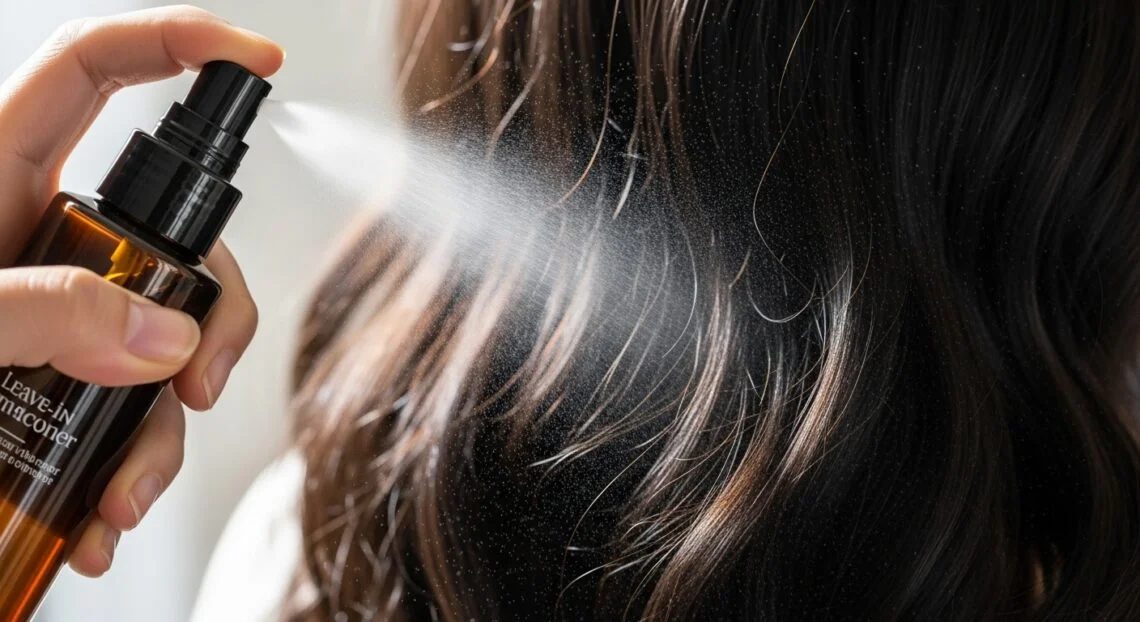
Leave-in conditioner is a lightweight moisturizer that stays in the hair after washing. Its jobs are hydration, detangling, and protection: it smooths the cuticle so a comb glides through, adds moisture that rinse-out conditioner can't fully deliver, and — in many formulas — provides heat protection up to 450°F.
Unlike curl cream, leave-in has no styling hold. It won't define your curl pattern on its own. What it does is create the hydrated, tangle-free base that lets a curl cream work properly. Skipping it is the most common reason curl cream underperforms.
Side by side: texture, hold, and finish
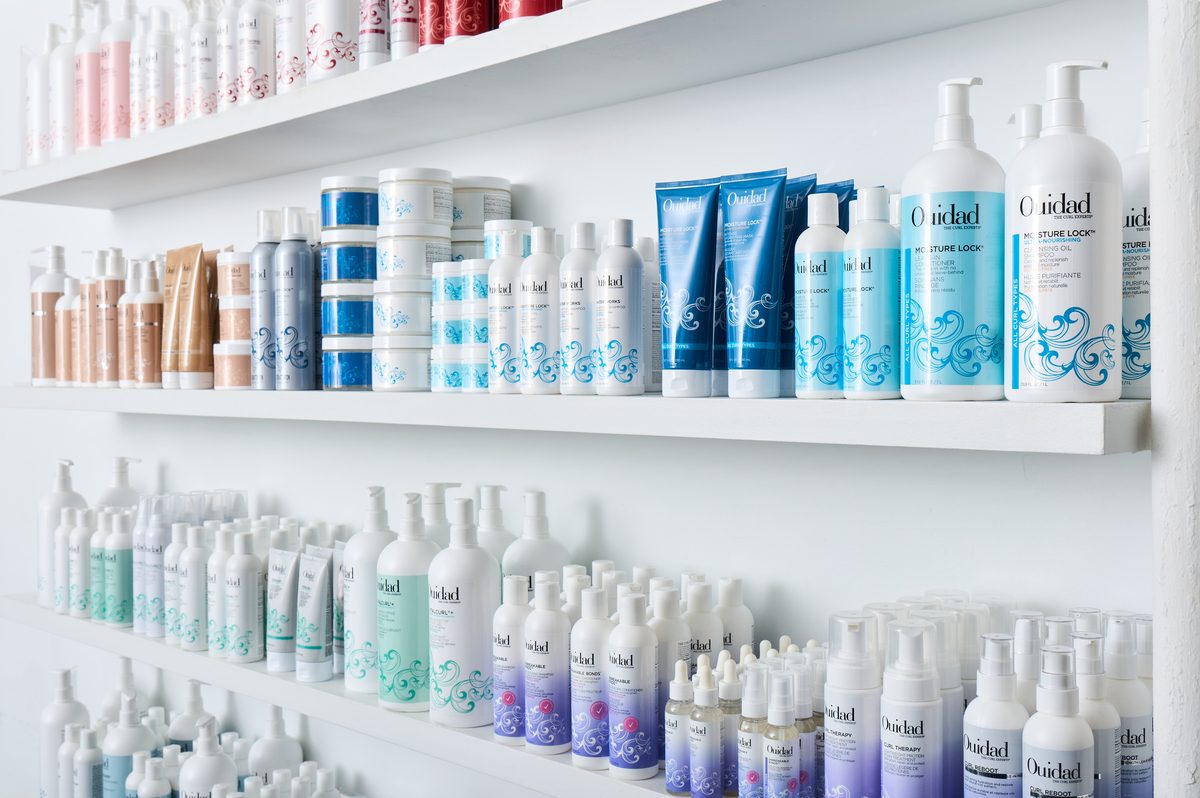
The fastest way to tell them apart is texture. Leave-ins are light — sprays, milky lotions, thin creams — and absorb quickly. Curl creams are thick — buttery, rich, and visible on the hair until worked through. That thickness is functional: the cream needs to coat the strand to shape it.
Finish differs too. Leave-in alone leaves hair soft and loose, with natural movement but little definition. Curl cream alone gives definition but can feel dry or crunchy without the moisture base. Together, you get defined curls that still feel soft — the finish most people are actually after.
The layering order that works
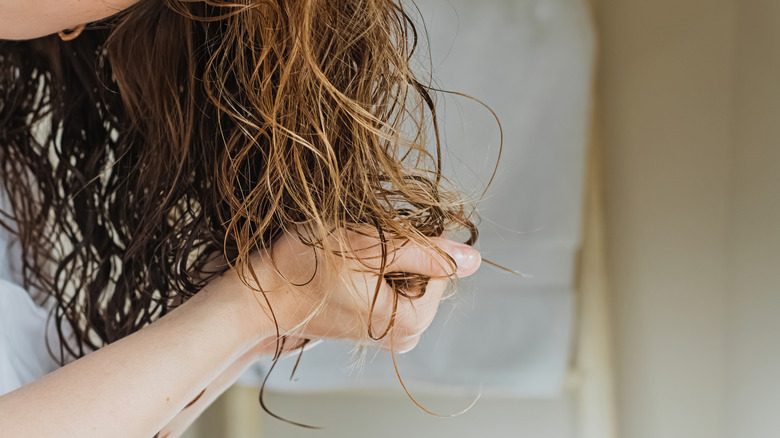
Order matters: leave-in first, curl cream second. Apply leave-in to soaking-wet hair right after washing — detangle with a wide-tooth comb, then scrunch. Then apply curl cream to damp (not dripping) hair, working it through in sections from mid-lengths to ends, and scrunch again to encourage the curl pattern.
The classic mistake is reversing the order or skipping the leave-in. Curl cream applied to dry, unmoisturized hair sits on the surface, looks greasy, and doesn't define. Hydration first, styling second — every time.
Which one for your curl type?
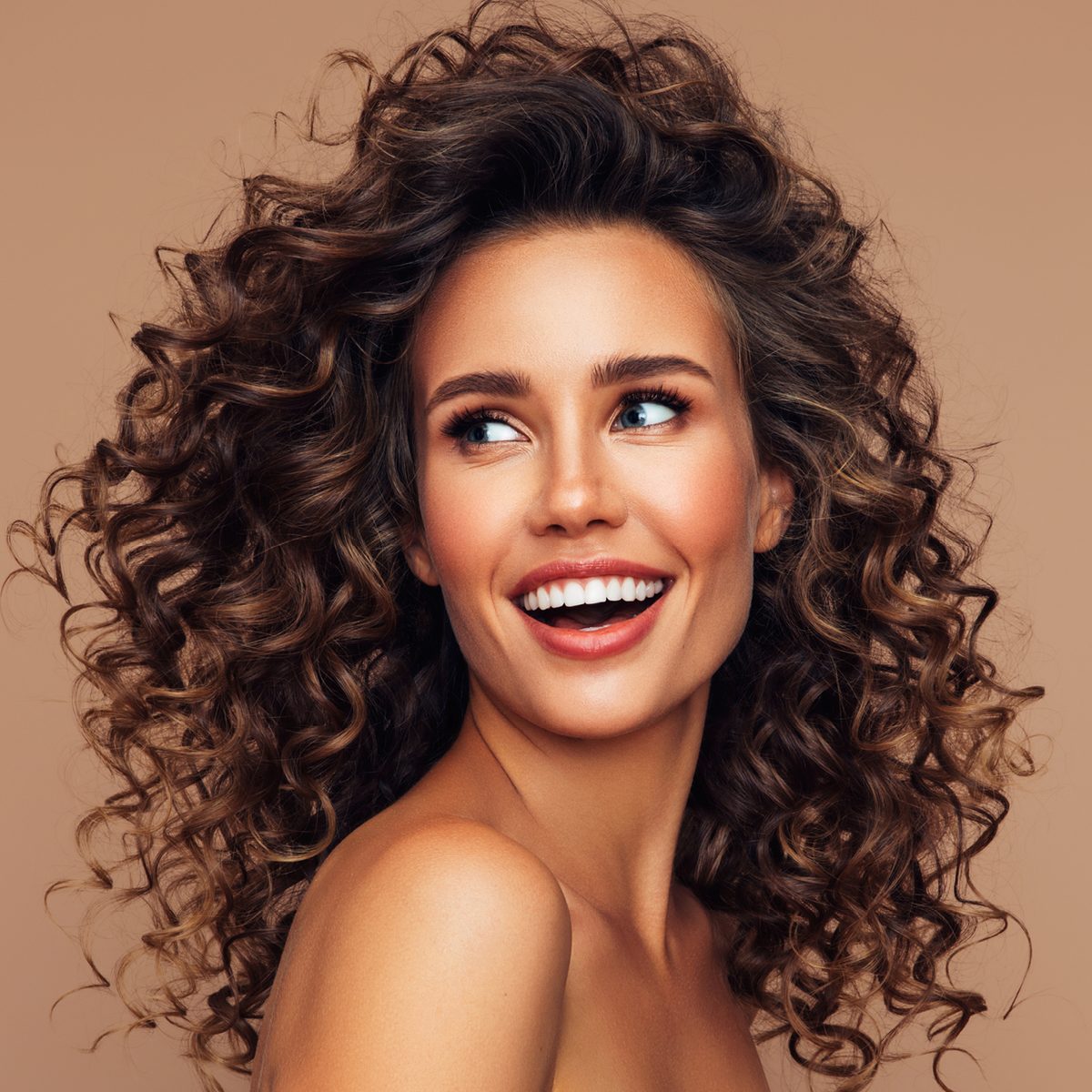
Wavy hair (2A–2C) usually needs leave-in alone, or a very light curl cream — heavy butters weigh waves down. Classic curls (3A–3C) benefit most from the combination: leave-in for moisture, a medium curl cream for definition. Coily hair (4A–4C) typically needs the richest version of both, and often a sealing oil on top.
Density matters as much as curl type. Fine hair of any pattern should use lighter formulas and smaller amounts; thick, dense hair can handle rich creams without going limp. When in doubt, start with less product than you think you need — you can always add more.
Porosity changes everything
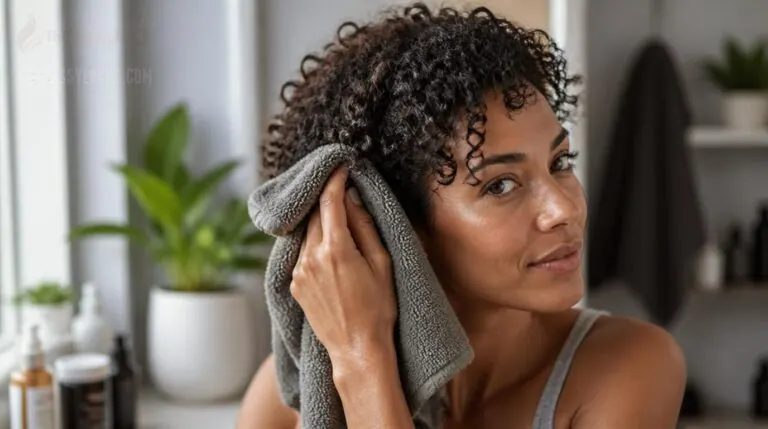
Porosity — how easily your hair absorbs and loses moisture — decides which formulas work. Low-porosity hair has a tight cuticle that resists product: lightweight leave-ins and thin curl creams absorb best, and heavy butters sit on the surface and look greasy. High-porosity hair absorbs quickly but loses moisture fast: it needs rich creams and sealing oils to hold hydration.
A quick test: drop a clean strand in a glass of water. If it floats after a few minutes, low porosity; if it sinks quickly, high porosity. It's a rough guide, not a lab test — but it explains why the same curl cream is a holy grail for one person and a greasy mess for another.
Frizz control: which product does what
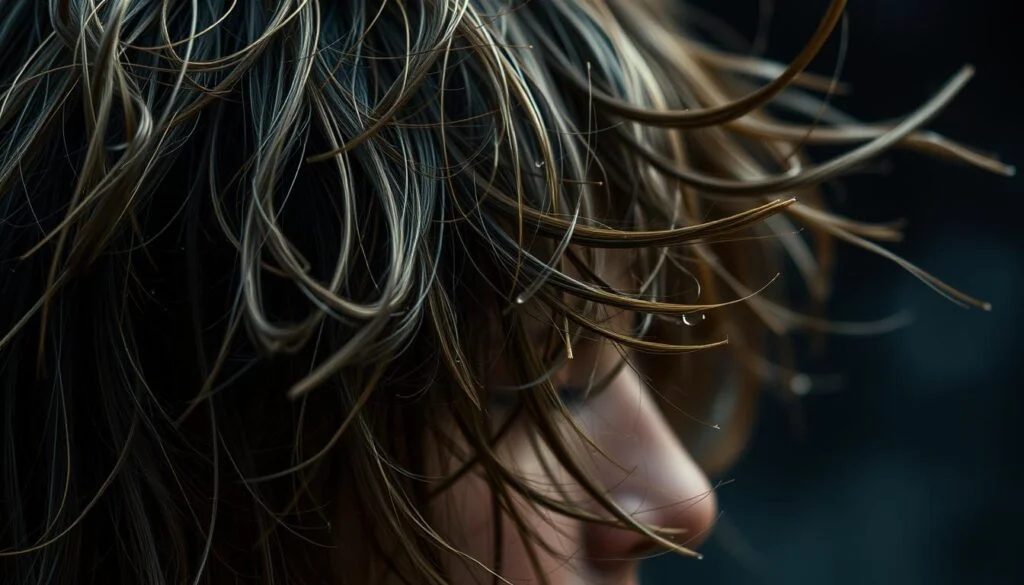
Frizz is hair seeking moisture from the air — so the fix is giving it moisture first (leave-in) and then sealing the cuticle so it can't absorb humidity unevenly (curl cream). Neither product alone does the full job: leave-in without a styler leaves the cuticle open to humidity, and curl cream without moisture underneath just coats dry hair.
In high humidity, a gel over the curl cream adds a 'cast' that locks the pattern in place — scrunch it out once dry for soft, defined curls. In dry climates, a heavier leave-in and a lighter cream usually work better.
Drying: diffuser vs. air-dry
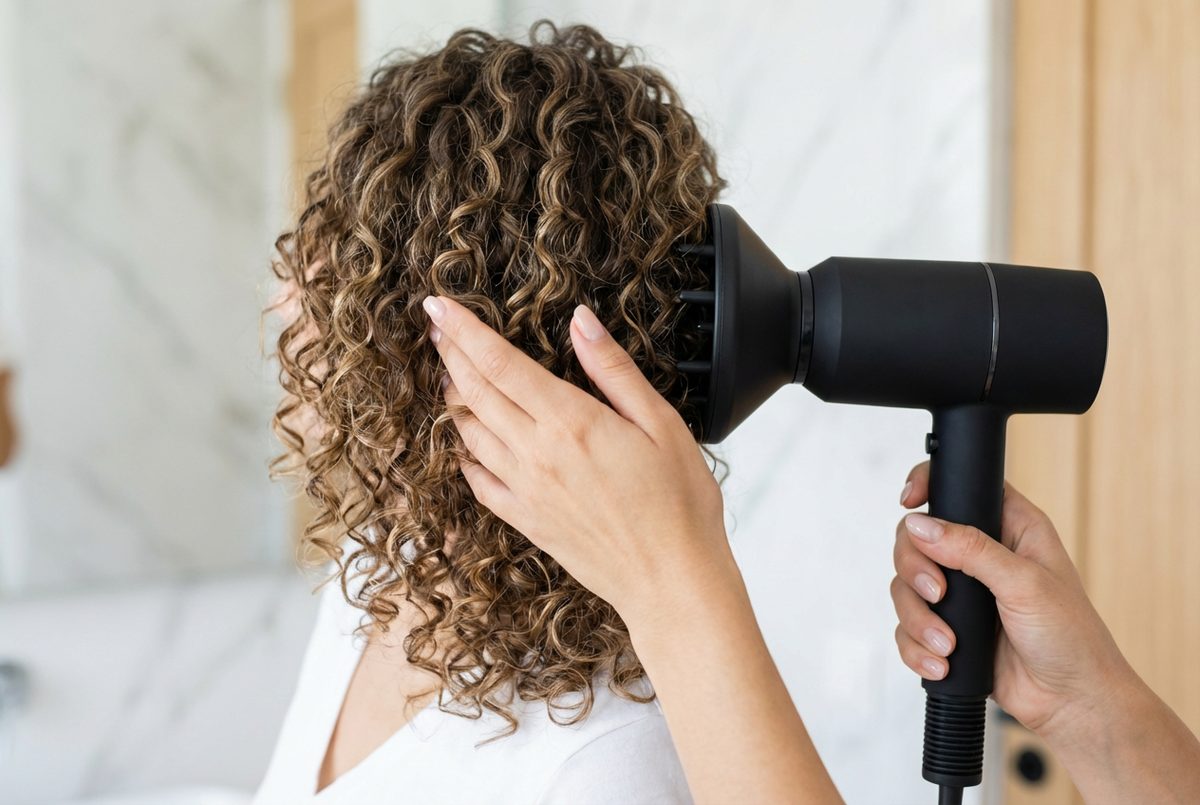
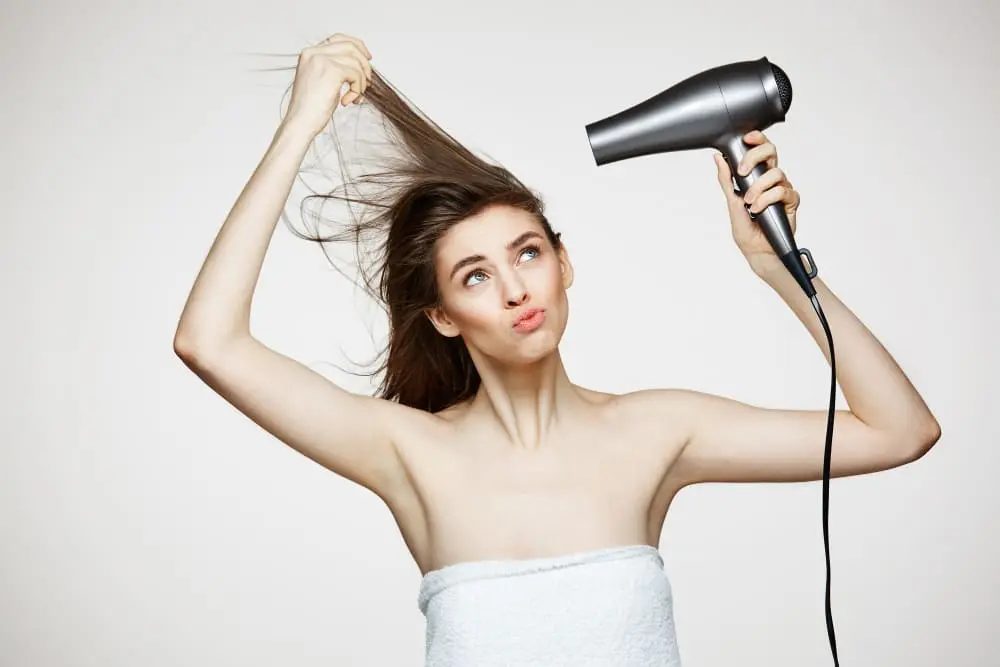
How you dry matters as much as what you apply. Air-drying is gentlest and works well for looser curl patterns, but it takes hours and can leave roots flat. Diffusing — drying with a diffuser attachment on low heat and low speed — adds volume and definition, and sets the curl pattern faster.
The key with a diffuser is patience: hover around the head rather than scrunching aggressively, keep the heat on low or medium, and stop at about 80% dry. Touching curls too much while drying is the fastest route to frizz, whatever products you used.
Common mistakes (and the fixes)
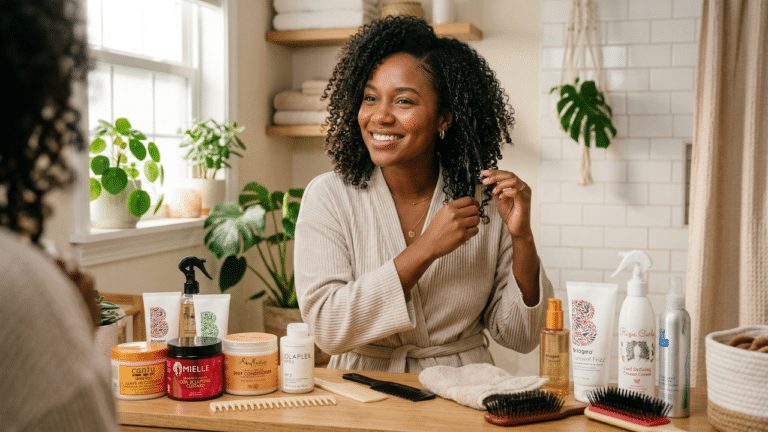
Using too much curl cream is the number one mistake — it weighs curls down and looks greasy. Start with a coin-sized amount per section and add only if needed. Applying to dry hair is number two: both products need damp hair to distribute evenly. And brushing dry curls is number three — it breaks the pattern and creates frizz.
Another frequent error is expecting one product to do everything. If your curls are defined but dry, you need more leave-in. If they're soft but shapeless, you need more curl cream. Diagnose the problem before buying another product.
Curl cream vs. leave-in FAQ
Can I use curl cream without leave-in conditioner?
Yes, but it works better with one. Leave-in provides the hydration base that lets curl cream distribute evenly and define properly. Without it, curl cream can sit on dry hair and look greasy. If you use only one product, choose based on your main need: moisture (leave-in) or definition (curl cream).
Can I use leave-in conditioner without curl cream?
Absolutely — many people with wavy or fine hair use leave-in alone and get soft, natural-looking waves. You'll get moisture and frizz control but little definition or hold. Add curl cream when you want more defined, longer-lasting curls.
Which goes first, leave-in or curl cream?
Leave-in first, on wet hair, then curl cream on damp hair. Hydration before styling, every time. Reversing the order traps the leave-in under the cream and prevents it from absorbing properly.
How much curl cream should I use?
Start with a coin-sized amount per section — roughly a quarter-sized dollop for the whole head on medium-length hair. Fine hair needs less; thick, dense hair needs more. It's easier to add product than to remove it.
Is curl cream bad for fine hair?
Not if you choose the right one. Fine hair needs lightweight, lotion-style curl creams used sparingly — heavy butters will weigh it down. Apply from mid-lengths to ends only, and skip the roots entirely.
Can I use curl cream on straight hair?
You can, but it won't create curls — it enhances existing texture. On straight hair, curl cream mostly adds moisture and a little body. A sea-salt spray or mousse is usually a better styling choice for straight hair.
Products mentioned in this guide
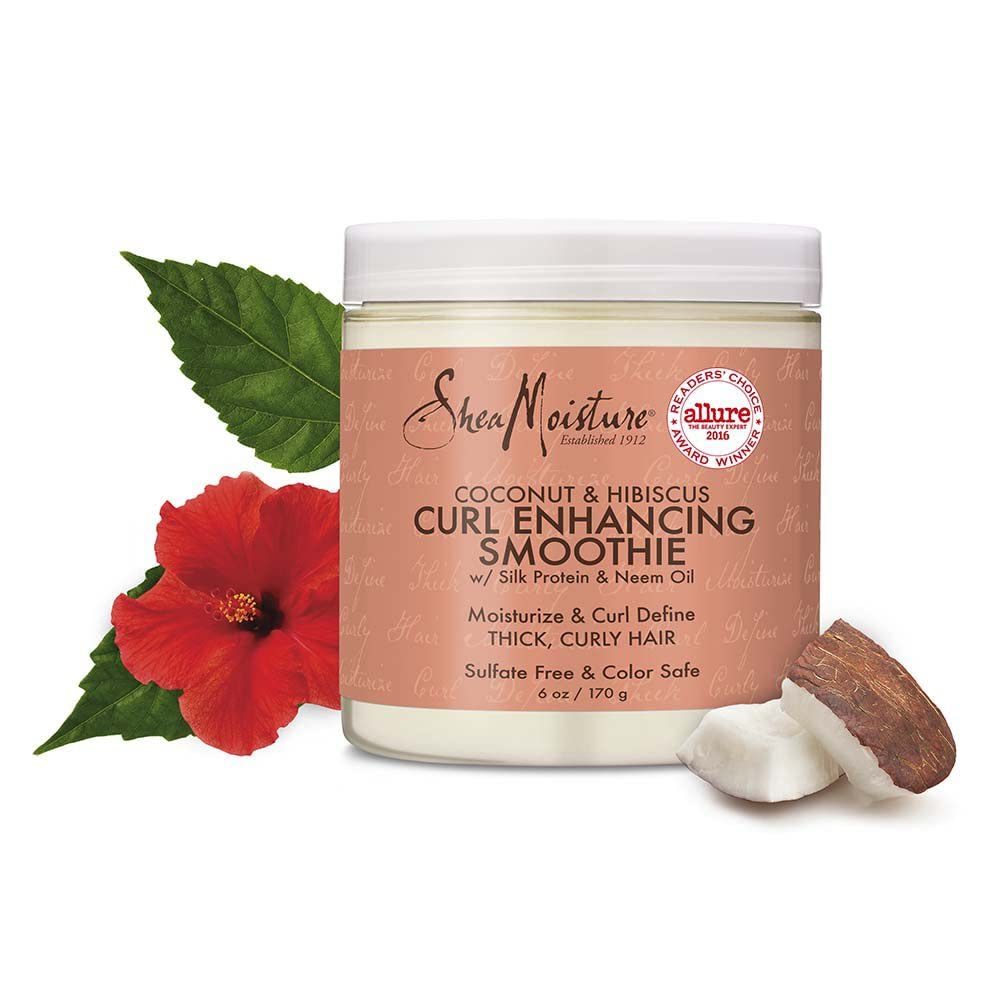
SheaMoisture Coconut & Hibiscus Curl Enhancing Smoothie
12 oz
Silk protein and neem oil in a rich smoothie that defines thick curls without crunch — a wash-day staple.
Key actives: Coconut oil, silk protein, neem oil
Check price on AmazonAffiliate link — we may earn a commission
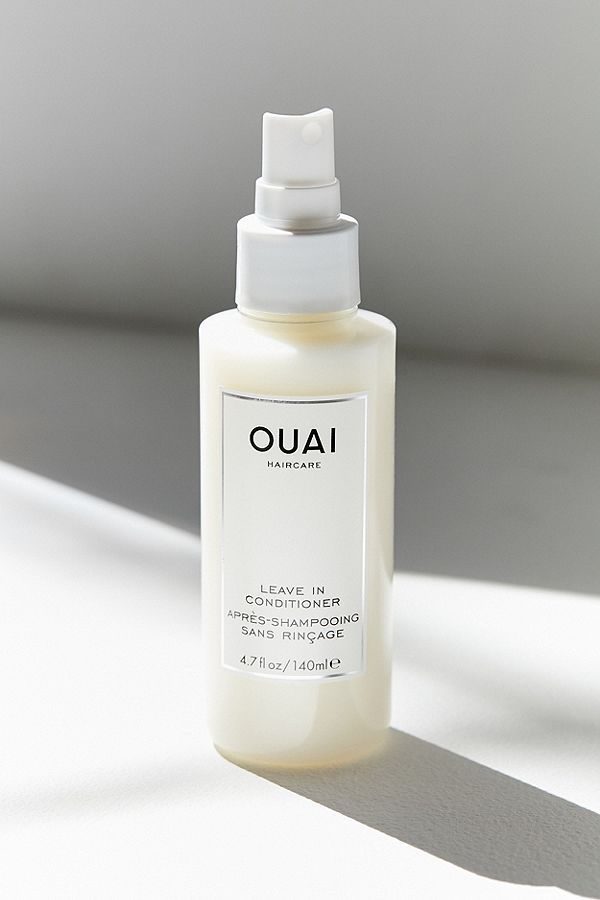
OUAI Leave In Conditioner
4.7 fl oz
Detangles, hydrates, fights frizz, and protects up to 450°F — one bottle that does the whole prep job.
Key actives: Tamarind seed extract, hydrolyzed proteins
Check price on AmazonAffiliate link — we may earn a commission
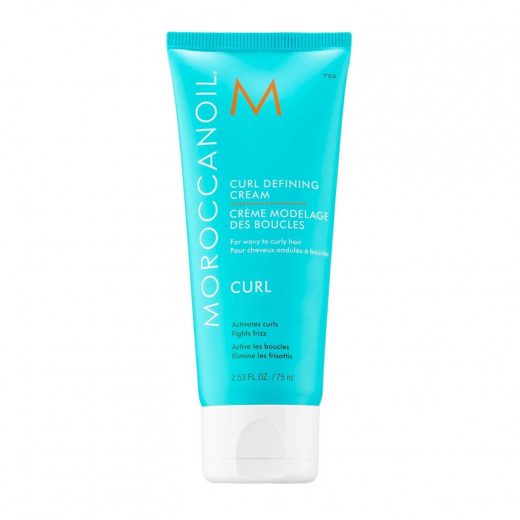
Moroccanoil Curl Defining Cream
8.5 fl oz
Argan-oil-infused definition with 48-hour hold and frizz control — the salon pick for polished curls.
Key actives: Argan oil, heat-activated technology
Check price on AmazonAffiliate link — we may earn a commission
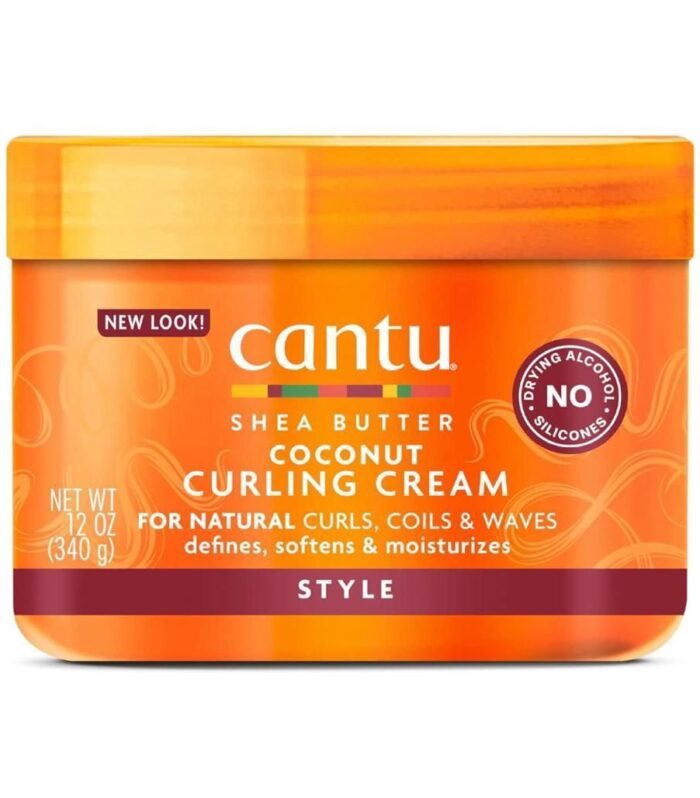
Cantu Shea Butter Coconut Curling Cream
12 oz
Fair-trade shea butter that defines, softens, and moisturizes natural curls and coils for a few dollars.
Key actives: Shea butter, coconut oil, vitamin B complex
Check price on AmazonAffiliate link — we may earn a commission

EuoNo
Fakhar leads Beauty Shelf’s editorial direction, website systems, SEO, research workflows, and quality standards. His public travel profile, @explorewith_euono, focuses on travel, lifestyle, experiences, unique stays, style, and hidden gems.
Instagram @explorewith_euono (123K followers)