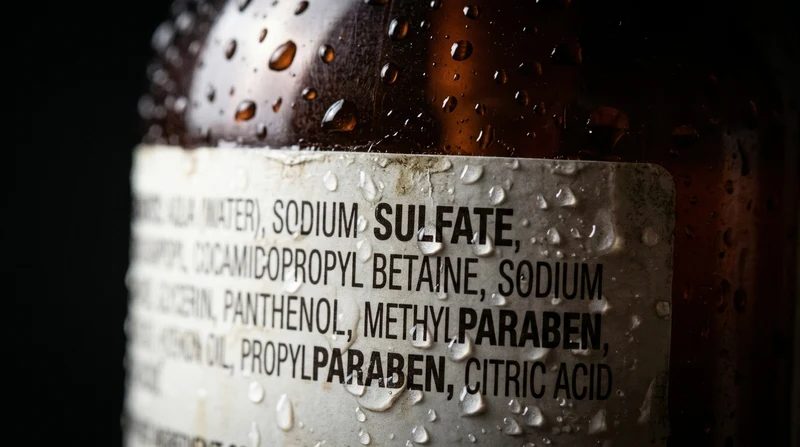
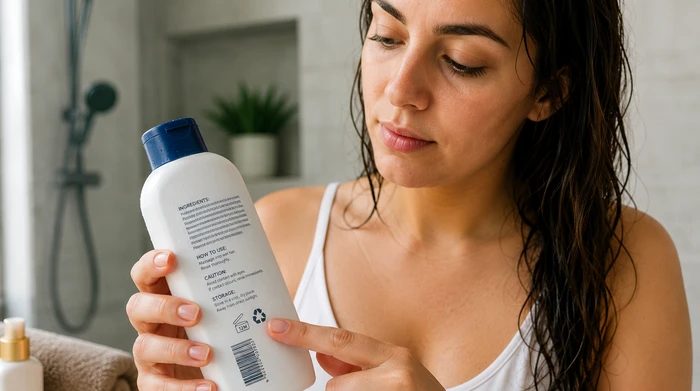
Flip any shampoo bottle around and you'll find the INCI list — the legally required ingredient declaration, printed in descending order of concentration. It looks intimidating: sodium laureth sulfate, cocamidopropyl betaine, dimethicone, phenoxyethanol. But once you know the handful of ingredient families that do the real work, the whole list opens up.
This guide teaches you to read a shampoo label the way a formulator does: what the first five ingredients tell you, which surfactants are gentle and which are harsh, what silicones actually do, and how to see through 'clean' marketing claims. Thirty seconds, one bottle, no chemistry degree required.
To read a shampoo label, check the cleansing system first, then the conditioning agents and fragrance. The ingredient list tells you how a shampoo will behave — gentle or stripping — before you ever use it.
The 30-second label scan
| Check | What to look for | What it tells you |
|---|---|---|
| First 5 ingredients | Water + surfactants + conditioning agents | The formula's real character — 90% of the product |
| Surfactants | Sulfate vs. sulfate-free type | How strong the cleanse is |
| Silicones (-cone, -oxane) | Present or absent | Shine and slip vs. buildup risk |
| Fragrance / parfum | Position on the list | How much fragrance you're getting |
| Preservatives | Phenoxyethanol, benzoates | Normal and necessary — not a red flag |
| Marketing claims | 'Natural', 'clean', 'sulfate-free' | Claims to verify against the list |
The 30-second scan: what to check first
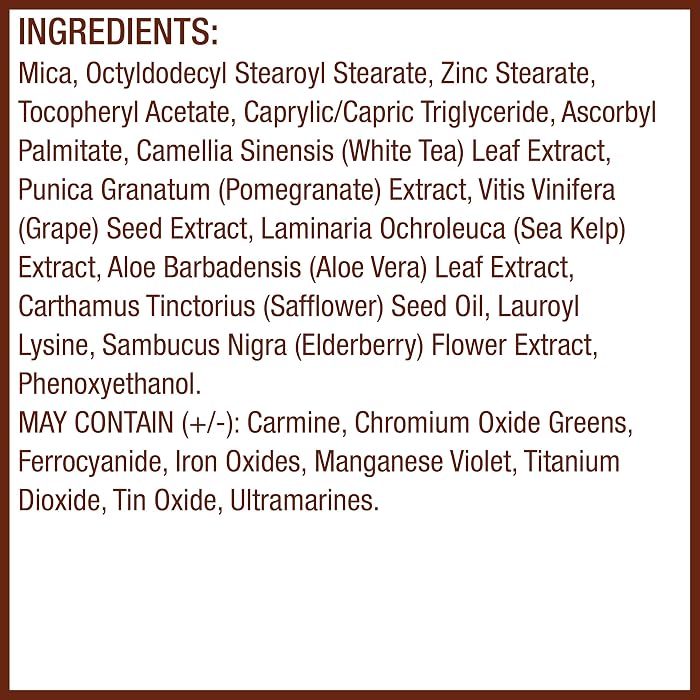
Start with the first five ingredients — they typically make up 80–90% of the product. In most shampoos, the first ingredient is water (aqua), followed by one or two surfactants (the cleansers), then conditioning agents and thickeners. Everything after the preservative (usually phenoxyethanol, around the middle of the list) is present at 1% or less.
That last point is the key to reading labels honestly: the exotic botanical extract listed near the end is present in trace amounts. It's there for marketing, not performance. Judge a shampoo by its first five ingredients, not its last fifteen.
The INCI order rule: first five, then the 1% line
Ingredients are listed in descending order by concentration — until the 1% line. Below 1%, ingredients can be listed in any order, which is why you'll often see a cluster of plant extracts and vitamins grouped near the end. They're real ingredients, but at concentrations too low to change how the shampoo performs.
A useful landmark: phenoxyethanol is typically used at around 1%, so anything listed after it is present at 1% or less. Fragrance (parfum) is also usually near the 1% mark. Use these as your dividing line between the formula that matters and the label dressing.
Surfactants and sulfates: the cleansers
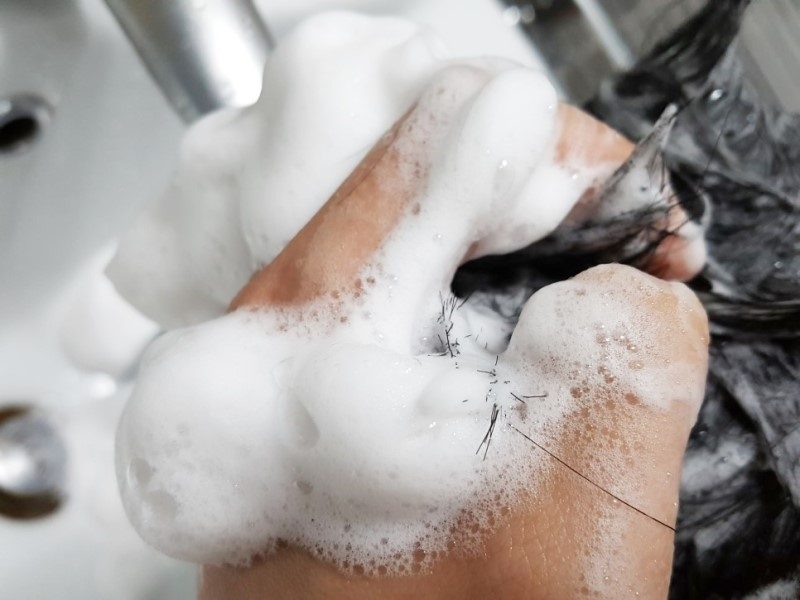
Surfactants are the molecules that lift oil and dirt off your hair — and they're the most important ingredients in any shampoo. Sodium lauryl sulfate (SLS) and sodium laureth sulfate (SLES) are the classic workhorses: cheap, effective, and strong. They clean thoroughly but can strip color and irritate sensitive scalps.
Sulfate-free shampoos replace them with gentler surfactants like cocamidopropyl betaine, sodium cocoyl isethionate, or decyl glucoside. These clean more gently and are kinder to color-treated and curly hair — but they lather less, and they may not remove heavy buildup on their own. Neither family is 'better' in the abstract; the right one depends on your hair.
Silicones: shine now, buildup later
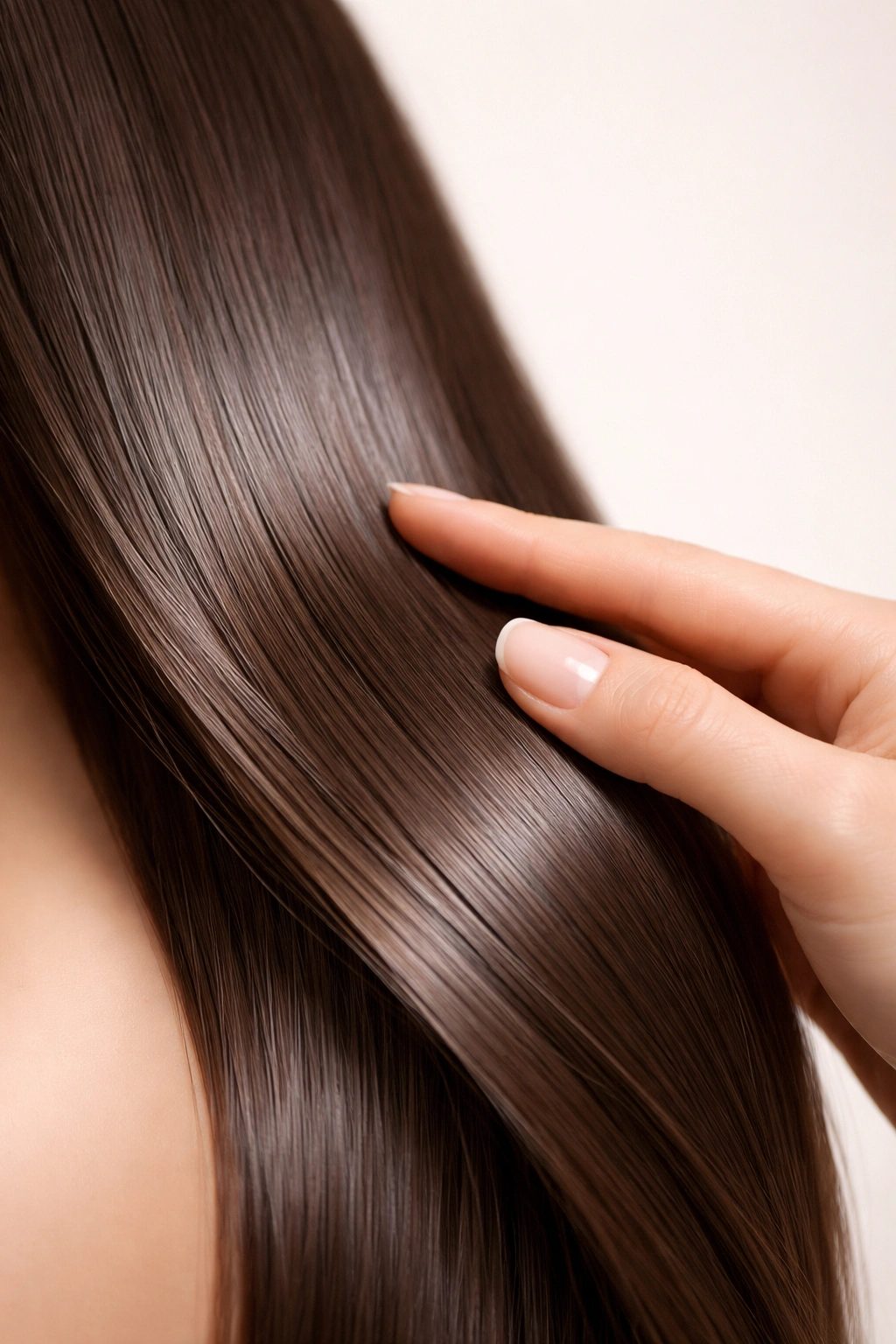
Silicones — ingredients ending in -cone, -conol, or -oxane, like dimethicone and amodimethicone — coat the hair shaft to add shine, reduce frizz, and make combing easier. They work immediately and visibly, which is why they're in most mainstream shampoos and conditioners.
The trade-off is buildup: silicones accumulate over weeks, weighing hair down and blocking moisture from penetrating. Water-soluble silicones (look for PEG- in front of the name) rinse out easily; non-water-soluble ones need a clarifying shampoo to remove. If your hair feels coated or your curls have gone flat, silicones are a likely suspect.
Conditioning agents: what makes hair feel soft
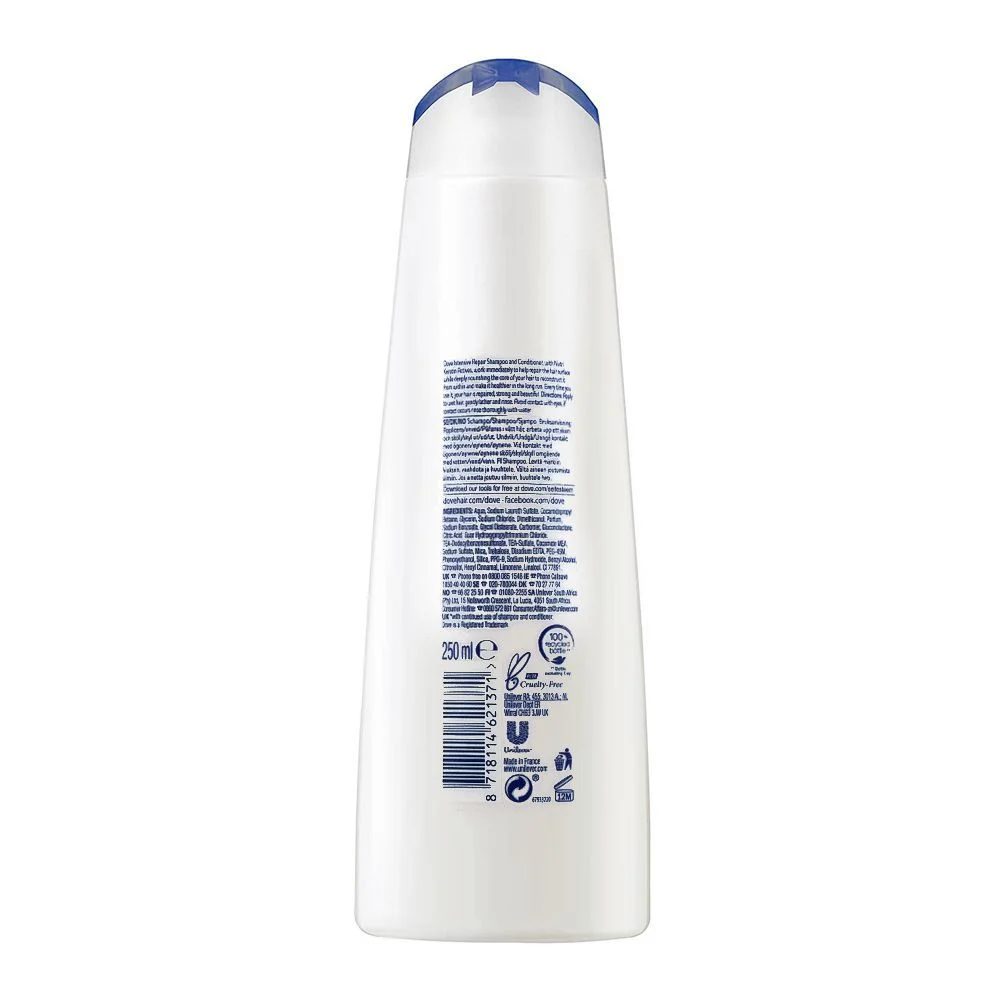
After cleansing, the next most important ingredients are conditioning agents: cationic polymers like polyquaternium-10 and guar hydroxypropyltrimonium chloride, which cling to the negatively charged hair shaft and smooth the cuticle. They're what make hair feel soft and tangle-free after washing.
Fatty alcohols — cetyl alcohol, stearyl alcohol, cetearyl alcohol — are also conditioning agents, despite the word 'alcohol.' They're nothing like drying ethanol; they're waxy emollients that add slip and thickness. Don't be alarmed by them on a label.
Water is first — and that's fine
The first ingredient in almost every shampoo is aqua — water. Some people read this as filler, but it's the solvent that makes the whole formula work: surfactants need water to form micelles, and conditioning agents need it to distribute evenly. A shampoo without water would be a paste.
What matters is what comes after the water. Two surfactants followed by conditioning agents is the standard architecture of a good shampoo. If the second ingredient is a cheap filler or the list is padded with fragrance, that's more informative than the water itself.
Fragrance and 'parfum': the wildcard
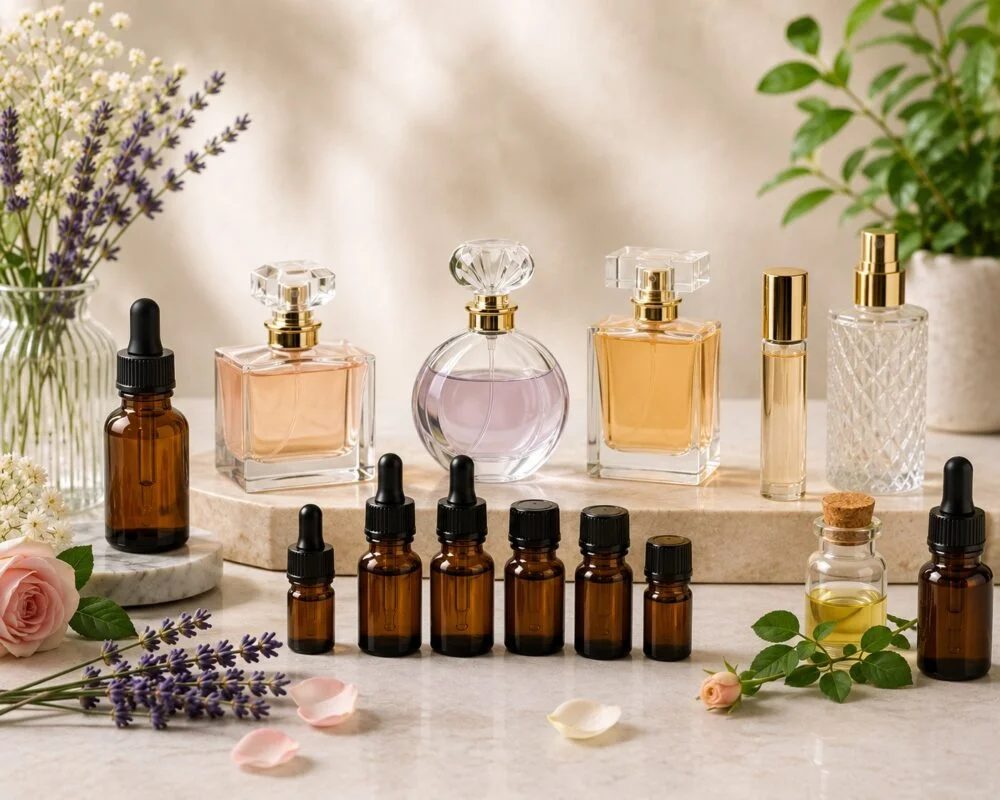
'Parfum' or 'fragrance' on a label is a single line that can hide dozens of individual chemicals — fragrance formulas are protected as trade secrets. For most people this is harmless, but if you have a sensitive scalp or fragrance allergies, it's the least transparent part of any label.
Look for the position: fragrance listed early (in the top five) means a heavily scented product. Allergen components like limonene, linalool, and geraniol must be listed separately in the EU when they exceed certain thresholds — if you see several of them, the fragrance load is significant.
pH: why it matters more than you think
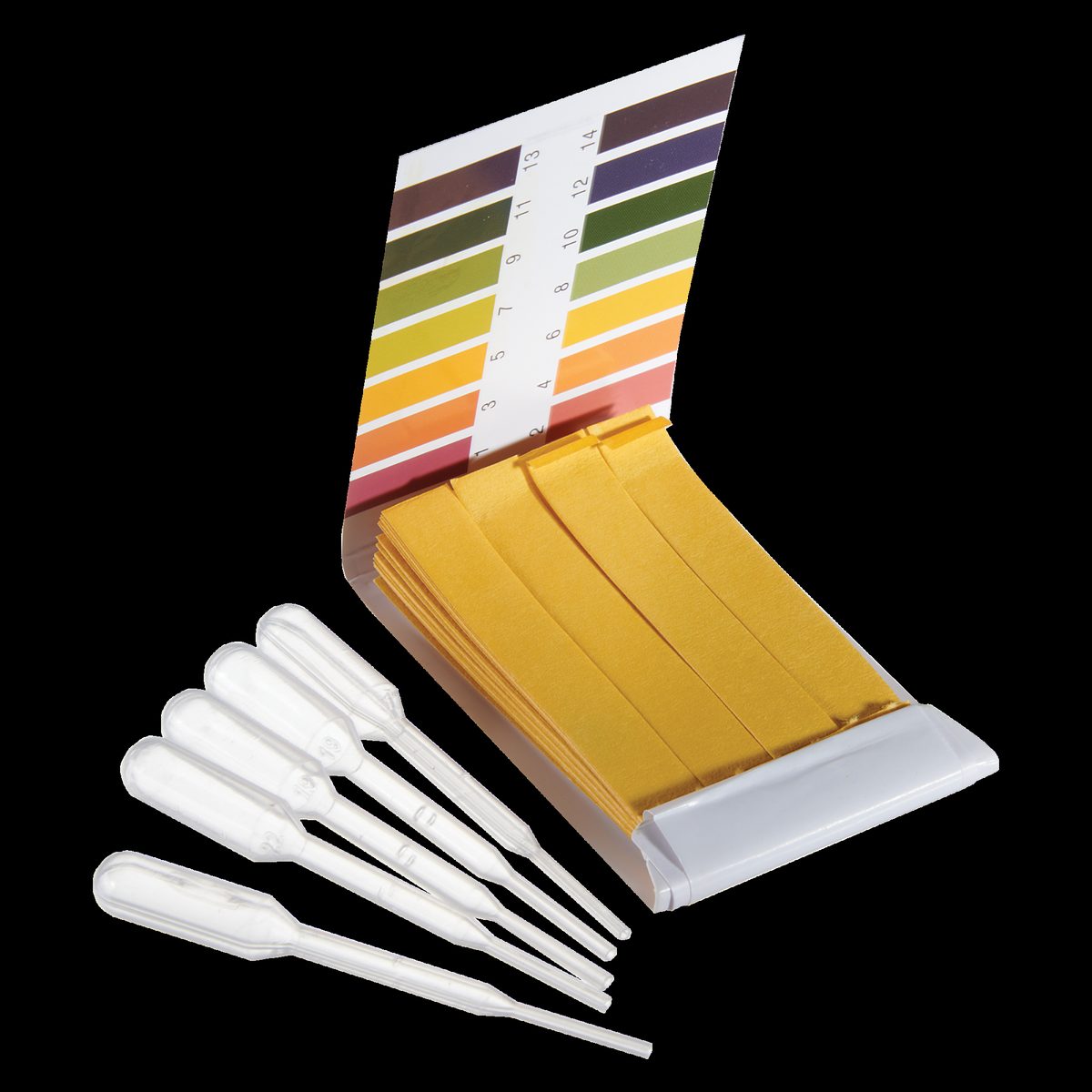
Healthy hair sits at a pH of about 4.5–5.5, and shampoo pH matters because alkaline formulas lift the cuticle (more frizz, more tangles, faster color fade) while acidic formulas keep it smooth. Most good shampoos are pH-balanced to the 5–6 range, though the pH is rarely printed on the label.
Citric acid on the ingredient list is usually a pH adjuster — a good sign that the formulator tuned the acidity. Apple cider vinegar rinses work on the same principle: mild acidity smooths the cuticle and adds shine. You don't need a pH meter to benefit; just know that 'pH-balanced' on the label is a meaningful claim, not marketing fluff.
'Natural' and 'clean': claims to verify, not trust
'Natural' and 'clean' are not regulated terms in cosmetics. A shampoo can call itself natural while containing synthetic surfactants, and 'clean' usually means the brand avoids a self-chosen list of ingredients rather than meeting any standard. The label tells the truth; the front of the bottle tells a story.
What to do instead: check for third-party certifications (EWG Verified, COSMOS, Leaping Bunny) and read the actual ingredient list. A genuinely gentle formula announces itself through its surfactants and its short, purposeful ingredient list — not through the word 'natural' on the front.
Red flags — and how to shop smarter
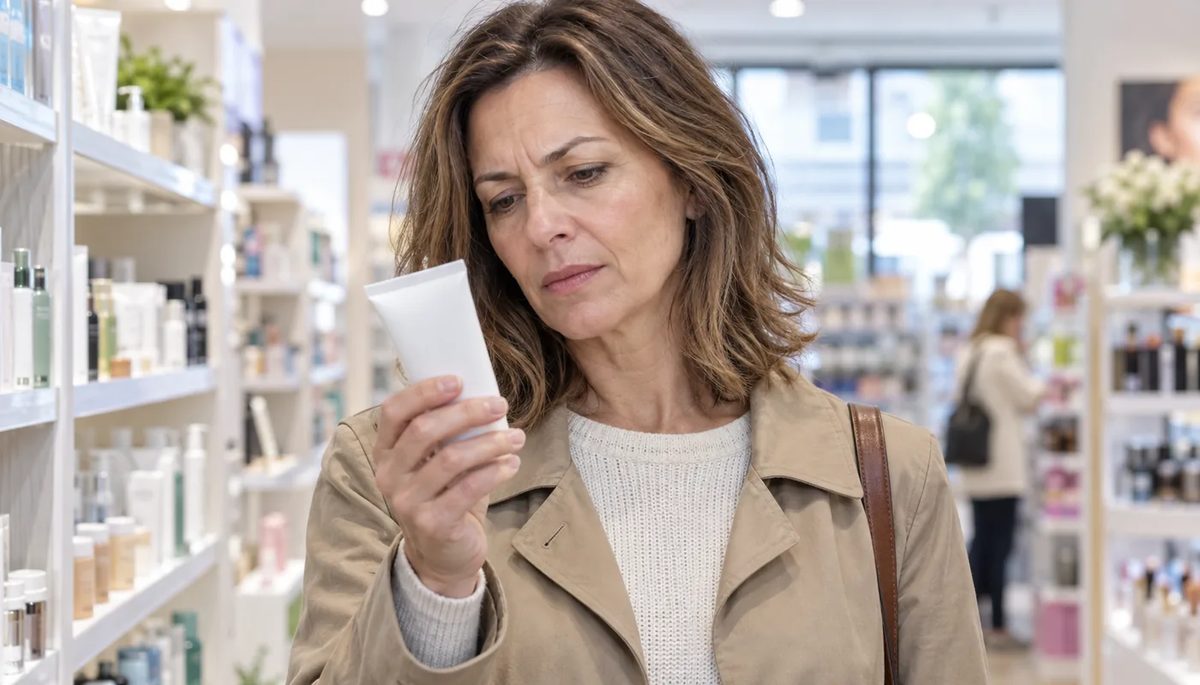
True red flags on a shampoo label are rare, but a few patterns deserve caution: multiple drying alcohols (alcohol denat., isopropyl alcohol) high on the list, a fragrance load that dominates the formula, or a 'sulfate-free' claim paired with equally harsh alternative surfactants. Formaldehyde-releasing preservatives (DMDM hydantoin, quaternium-15) are worth avoiding if you have a sensitive scalp.
The smarter way to shop: decide what your hair needs first (gentle cleanse? color protection? buildup removal?), then read the first five ingredients of any candidate. If the surfactants match your need and the silicones match your tolerance, the rest is detail.
Reading shampoo labels FAQ
What does INCI mean on a label?
INCI stands for International Nomenclature of Cosmetic Ingredients — the standardized naming system for cosmetic ingredients. It's why water is listed as 'aqua' and shea butter as 'butyrospermum parkii.' The names look technical, but they're just Latin and chemistry naming conventions.
Are sulfates actually bad for hair?
Sulfates aren't inherently bad — they're effective cleansers. They can strip color, dry out curly or damaged hair, and irritate sensitive scalps, which is why many people prefer sulfate-free formulas. For oily hair and heavy product users, a sulfate shampoo used occasionally is perfectly fine.
Do silicones damage hair?
Silicones don't damage hair, but they can build up over time, weighing hair down and blocking moisture. Water-soluble silicones rinse out with normal washing; non-water-soluble ones need an occasional clarifying shampoo. Whether they're a problem depends on your hair type and how often you clarify.
What ingredients should I avoid in shampoo?
It depends on your hair. Common sensitivities: heavy fragrance (listed as 'parfum'), drying alcohols high on the list, and formaldehyde-releasing preservatives like DMDM hydantoin. There's no universal avoid-list — the right question is which ingredients suit your hair type and scalp.
Is 'sulfate-free' always better?
No. Sulfate-free formulas are gentler and better for color-treated, curly, and dry hair — but they clean less aggressively, so heavy product users and oily scalps may find them insufficient. Some 'sulfate-free' shampoos use alternative surfactants that are just as strong. Read the surfactant list, not just the claim.
Why is water the first ingredient in shampoo?
Water is the solvent that makes the formula work — surfactants need it to form cleansing micelles, and conditioning agents need it to spread evenly. It's not filler. What matters is the ingredients that follow it, especially the first two or three surfactants.
Products mentioned in this guide
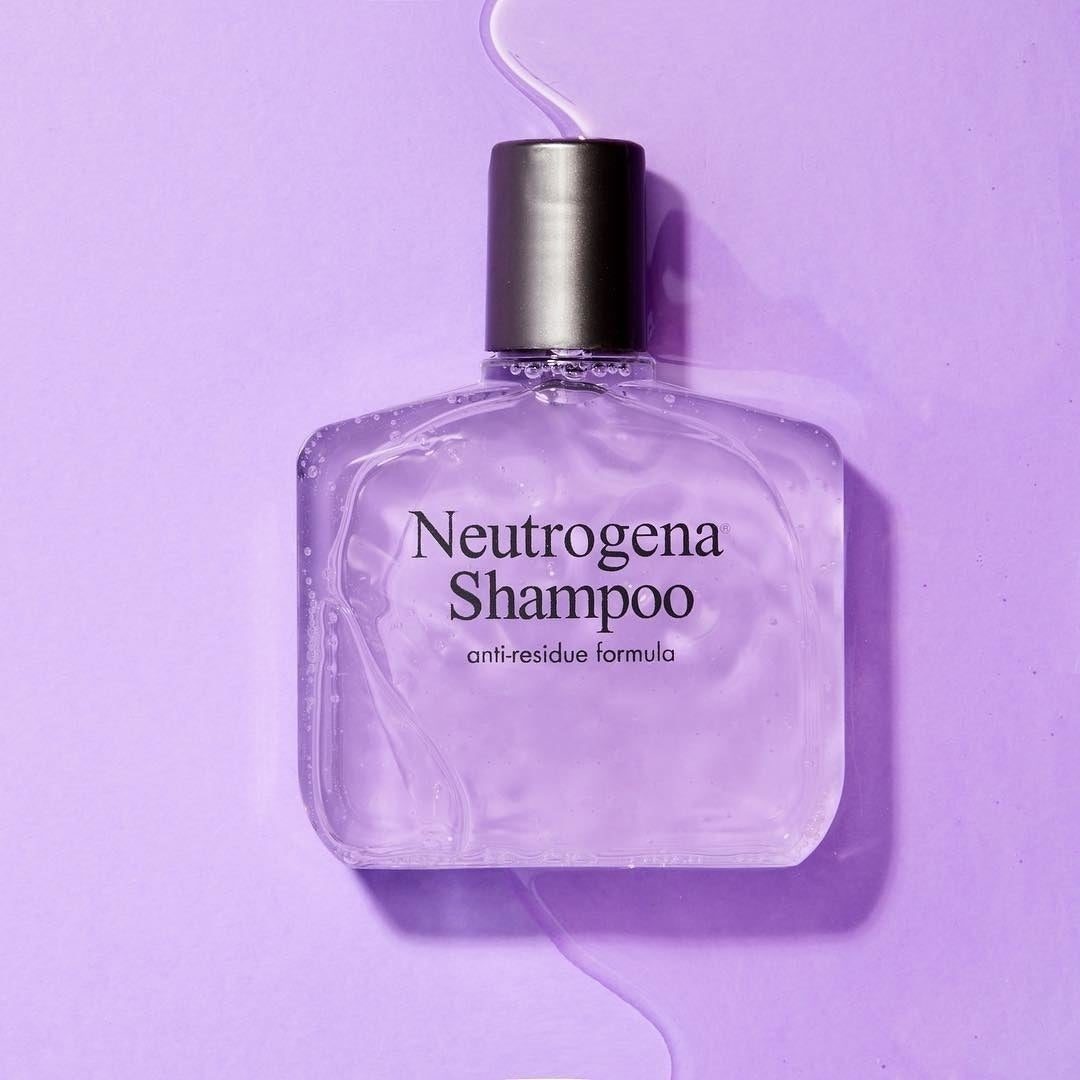
Neutrogena Anti-Residue Shampoo
6 fl oz
The classic weekly reset: removes over 90% of dulling residue in one wash and costs less than lunch.
Key actives: Gentle surfactant blend, non-irritating
Check price on AmazonAffiliate link — we may earn a commission
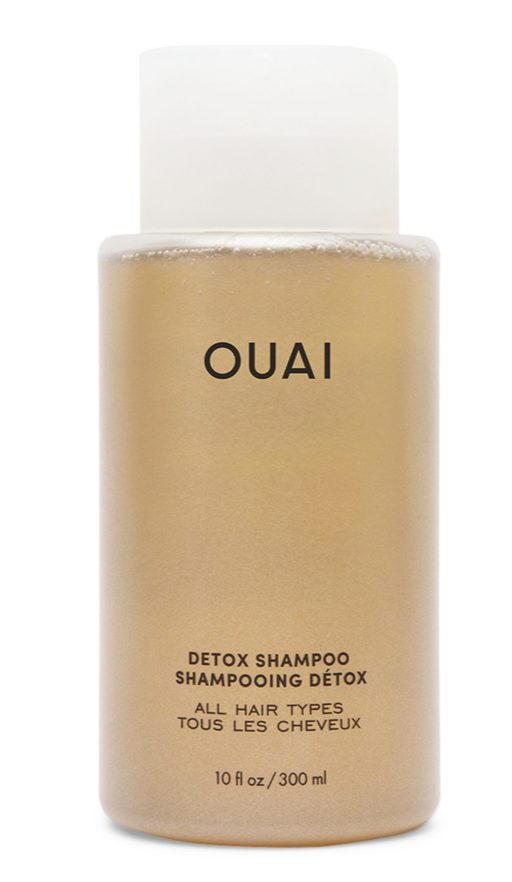
OUAI Detox Shampoo
10 fl oz
Apple cider vinegar and keratin in a sulfate-free formula that smells like a salon — the most pleasant clarifier to use.
Key actives: Apple cider vinegar, hydrolyzed keratin
Check price on AmazonAffiliate link — we may earn a commission

EuoNo
Fakhar leads Beauty Shelf’s editorial direction, website systems, SEO, research workflows, and quality standards. His public travel profile, @explorewith_euono, focuses on travel, lifestyle, experiences, unique stays, style, and hidden gems.
Instagram @explorewith_euono (123K followers)